

Table of Contents
ToggleOutfitting a patio doesn’t require a second mortgage. Walmart has evolved beyond basic plastic chairs into a legitimate source for complete outdoor furniture sets that balance price, durability, and design. Whether someone’s furnishing a compact balcony or a sprawling deck, the retailer’s expanded selection offers conversation sets, dining configurations, and lounge options that hold up to real-world use. This guide walks through what makes Walmart a viable choice for patio furniture, which styles deliver the best value, and how to pick materials that’ll survive local weather patterns without constant babysitting.
Key Takeaways
- Walmart patio furniture sets offer competitive pricing ($250-$800) with 30-50% savings versus specialty retailers, immediate availability, and straightforward assembly without specialized tools.
- Conversation sets work best for entertaining and lounging on small spaces, while dining sets require proper proportions (28-30 inch table height, 10-11 feet clearance for round tables) for comfortable outdoor meals.
- Material selection by climate is critical: powder-coated aluminum handles the widest range, PE wicker works in most regions, resin suits renters with 3-5 year lifespans in high-sun areas, and wood demands consistent annual maintenance in dry climates only.
- End-of-season shopping (mid-August to October) delivers 40-60% discounts; starting with a 4-piece conversation set ($200-400) lets you test whether you’ll actually use outdoor furniture before investing in larger configurations.
- Monthly frame cleaning with mild soap and water, spring hardware inspections, weekly cushion maintenance, and proper winter storage extend budget furniture life from 3-4 years to 7-8 years with minimal effort.
Why Choose Walmart for Your Patio Furniture Sets
Walmart’s patio furniture lineup competes on three fronts: price point, immediate availability, and standardized assembly. Most complete sets land between $250 and $800, undercutting specialty retailers by 30-50% for comparable materials and construction.
The accessibility factor matters. Need a dining set this weekend? Most Walmart locations stock core models in-store, and curbside pickup eliminates shipping delays. Online exclusives expand options but typically ship within 5-7 business days through third-party suppliers.
Assembly follows straightforward patterns. Bolt-together frames with pre-drilled holes and included Allen wrenches mean most sets take 1-2 hours to complete without specialized tools. Instructions lean toward clear diagrams rather than dense text, helpful when working outdoors with a cordless drill.
Warranties run shorter than premium brands (typically 90 days to 1 year), but replacement part availability through Walmart’s customer service often extends functional life. The trade-off: lower upfront cost versus shorter guaranteed lifespan. For renters, first-time homeowners, or anyone testing outdoor living layouts before investing heavily, it’s a rational calculation.
The selection skews toward proven sellers rather than cutting-edge design. Expect traditional slatted backs, neutral cushion colors, and modular pieces that swap between brands. That standardization means finding replacement cushions or adding extra chairs becomes easier down the line.
Top Walmart Patio Furniture Set Styles to Consider
Walmart’s inventory breaks into two primary categories, each serving distinct outdoor activities. Matching the set type to actual usage patterns prevents buying a dining table that never gets used or cramming too many seats into tight quarters.
Conversation Sets for Entertaining
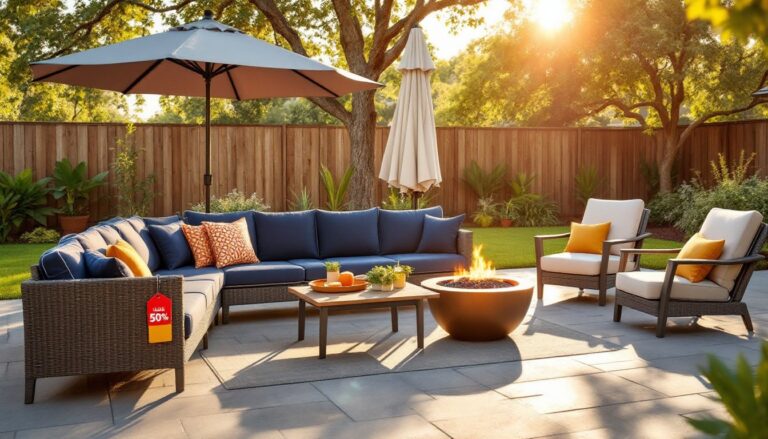
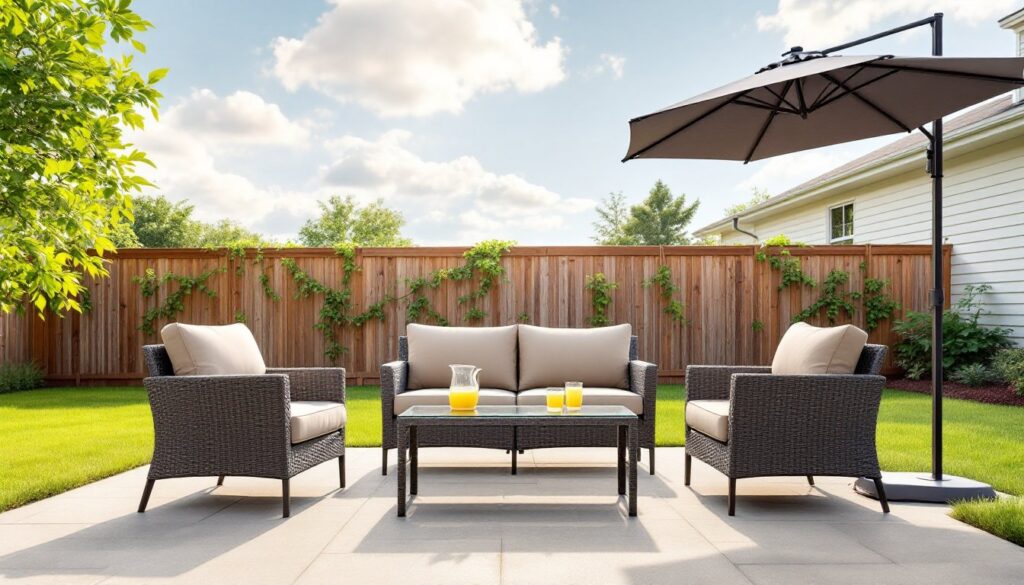
Conversation sets bundle seating around a central coffee table, typically including 2-4 chairs or a loveseat plus a lower table (16-18 inches high). These prioritize comfort over dining functionality, deeper seats, angled backs, and included cushions that encourage lounging rather than upright posture.
Standard footprints measure 6×8 feet for a four-piece set, fitting most apartment balconies and small patios. Wicker-look resin and steel frames dominate, with weather-resistant cushions (polyester fill with UV-treated covers) providing initial comfort. Cushion thickness matters: 3-4 inch cushions compress after one season, while 5-6 inch options maintain support longer.
Look for powder-coated steel frames rather than bare metal, the coating resists rust in humid climates. Resin wicker should feel rigid, not flexible: flimsy strands unravel quickly under UV exposure. Better models include tempered glass table tops (1/4 inch thick minimum) that resist thermal shock from hot dishes or cold drinks.
These sets work best for evening gatherings, morning coffee routines, or reading spots. They don’t substitute for proper dining, plates slide on low tables and deep seats make cutting food awkward. Some retailers offer budget-friendly clearance alternatives during seasonal transitions if flexibility on style exists.
Dining Sets for Outdoor Meals
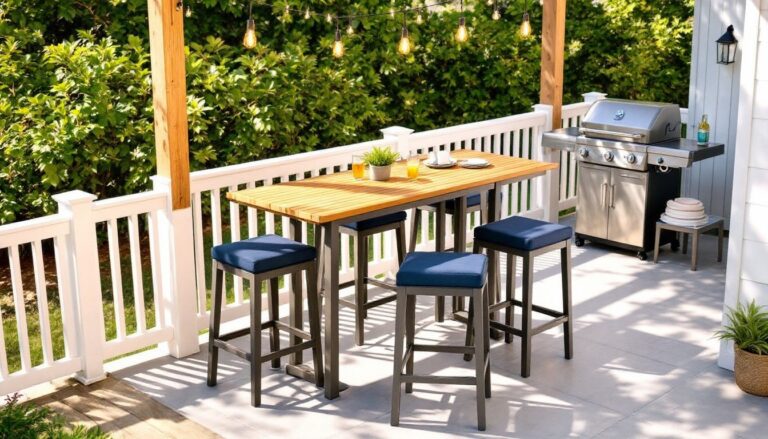
Dining sets center on a table (28-30 inches high, standard dining height) with 4-6 matching chairs. These mimic indoor dining proportions: upright seating, table surface sized for plates and serving dishes, and clearance underneath for leg room.
Table materials split between tempered glass, metal mesh, and synthetic wood. Glass requires regular cleaning but doesn’t retain heat like solid surfaces. Mesh promotes drainage and airflow, crucial if the table stays uncovered. Synthetic wood (often polypropylene molded to resemble teak or cedar) offers the most traditional look but can fade without UV stabilizers in the resin.
Chair construction determines longevity. Stackable aluminum chairs with powder coating provide the best weather resistance and easy winter storage. Folding chairs save space but introduce mechanical failure points, hinges and rivets loosen over seasons. Wicker dining chairs need armrests for stability: armless wicker dining chairs wobble more as joints loosen.
Measure the patio before buying. A 60-inch round table needs 10-11 feet of clearance diameter for chairs to pull out comfortably. Rectangular tables fit narrow spaces better, a 38×72 inch table seats six while requiring only 8×12 feet total.
Many homeowners looking at complete outdoor transformations explore coordinated patio furnishings that balance style across multiple furniture types.
How to Choose the Right Material for Your Climate
Material selection determines whether furniture lasts three seasons or ten years. Climate stresses, UV intensity, humidity, temperature swings, and precipitation patterns, dictate which materials hold up versus which become maintenance headaches.
Powder-coated aluminum handles the widest climate range. It won’t rust in coastal humidity, tolerates desert heat without warping, and survives freeze-thaw cycles. The coating scratches if dragged across concrete, exposing bare metal, so use furniture pads on hard surfaces. Weight matters: aluminum frames make furniture light enough to rearrange easily but prone to tipping in high wind. Secure sets on exposed decks or balconies.
Steel frames with PE (polyethylene) wicker offer traditional rattan aesthetics with weather resistance. Quality varies, better PE wicker includes UV stabilizers that prevent brittleness and fading. Check strand thickness: 1.2mm minimum diameter holds shape better than thinner weaves. Steel underneath must be powder-coated: bare steel rusts within one season in humid climates. This combination works in most regions but benefits from covered storage in winter where temperatures drop below 20°F regularly.
Resin (polypropylene) furniture resists moisture completely but degrades under intense UV. Southern and southwestern climates accelerate fading and brittleness. Look for resin labeled with UV inhibitors and expect 3-5 year lifespans in high-sun areas versus 7-10 years in temperate zones. The upside: lightweight, stackable, and zero rust risk. Resin works well for renters or those planning furniture upgrades within a few years.
Eucalyptus and acacia wood sets appear occasionally in Walmart’s inventory. These hardwoods handle weather better than pine but require annual maintenance, sanding and sealing with exterior-grade oil or sealant. Skip wood entirely in constantly damp climates: even treated hardwoods develop mildew and rot without consistent upkeep. Wood makes sense for covered patios in dry climates where someone’s committed to seasonal care.
Cushion fabrics matter as much as frames. Solution-dyed polyester or acrylic resists fading better than printed patterns. Check for water-resistant backing, polyurethane coating prevents moisture from soaking into foam. Even “weather-resistant” cushions need covered storage or waterproof bins during off-seasons. Foam that stays wet develops mold that’s nearly impossible to remove.
Coastal buyers should prioritize aluminum and synthetic materials exclusively. Avoid steel, even powder-coated, within five miles of saltwater, corrosion happens fast. Mountain and northern climates need frames that handle freeze-thaw: aluminum, high-grade resin, or fully sealed steel. Desert environments demand UV protection above all else.
Budget-Friendly Tips for Buying Walmart Patio Sets
Strategic timing and smart compromises stretch budgets without sacrificing functionality. Walmart’s pricing follows predictable seasonal patterns and clearance cycles that reward patient shoppers.
Buy between mid-August and October. End-of-season clearances hit 40-60% off as retailers make room for fall inventory. Selection narrows, but core styles remain available. Spring purchases (March-May) offer full selection at full price. The exception: January clearance events sometimes include outdoor furniture, though inventory is unpredictable.
Compare online-exclusive models versus in-store stock. Online often includes higher-end sets from third-party sellers through Walmart’s marketplace. Check the seller name, sets sold directly by Walmart include standard return policies and customer service, while marketplace sellers set their own terms. Price differences of $100+ for seemingly identical sets often trace to frame gauge thickness or cushion density that’s hard to judge from photos.
Start with a 4-piece conversation set rather than a full dining configuration. Smaller sets cost $200-400 and prove whether someone actually uses outdoor furniture regularly. Add dining pieces later if the space sees heavy use. Many buyers overestimate outdoor dining frequency, a conversation set with a portable side table serves most needs.
Skip umbrella bundles unless the frame accepts standard 1.5- to 2-inch umbrella poles. Proprietary umbrella mounts limit replacement options. Buy the table separately and source a quality umbrella from a dedicated outdoor supplier. Better umbrelas include crank-lift mechanisms and wind vents that Walmart bundled versions often lack.
Assemble carefully the first time. Stripped bolt holes and cross-threaded nuts void warranties and create wobbly joints that accelerate wear. Use a torque-limiting bit if available, most patio furniture bolts need only 10-15 ft-lbs, easily over-tightened with power drills.
Check multiple Walmart locations if in-store shopping. Inventory varies significantly by store format (Supercenter versus neighborhood market) and regional demographics. Stores in warmer climates stock outdoor furniture year-round versus seasonal-only in colder regions. Reviewers at design publications frequently highlight specific model recommendations that help narrow initial searches.
Consider partial sets. Buying a table separately from chairs often costs less than bundled sets, particularly if mixing brands. Standardized heights mean a Walmart table pairs fine with chairs from another retailer. Just match material aesthetics, metal with metal, wicker with wicker.
Maintaining and Protecting Your Walmart Patio Furniture
Proper maintenance extends budget furniture lifespans from 3-4 years to 7-8 years. Most tasks take minutes and require basic supplies, not specialized cleaners or tools.
Clean frames monthly during use season. Mix mild dish soap with warm water, avoid bleach or ammonia-based cleaners that degrade powder coating and resin. Soft-bristle brushes reach wicker weaves and frame joints where dirt accumulates. Rinse thoroughly: soap residue attracts more dirt. For stubborn grime, a 50/50 white vinegar-water solution cuts through pollen and tree sap without harming finishes.
Inspect joints and hardware every spring. Tighten loose bolts before they work completely free. Apply a drop of thread-locking compound (blue Loctite) to bolts that repeatedly loosen, common on chairs that get dragged across decks. Replace missing or rusted hardware immediately: unbalanced stress on remaining bolts accelerates frame failure.
Cushions need weekly shaking and monthly washing. Unzip covers and machine-wash on gentle cycle with mild detergent. Air-dry completely, high heat shrinks covers and degrades elastic. Foam inserts should sun-dry after rain: standing water inside cushions breeds mold. Store cushions in waterproof deck boxes or bins during winter. Garbage bags seem economical but trap condensation, causing mildew.
Cover or store furniture in harsh weather. Furniture covers ($20-40 for full sets) pay for themselves in extended frame life. Look for covers with tie-down straps and air vents, unvented covers trap moisture and blow off in wind. For extended winter storage, stack chairs, collapse tables if possible, and store in sheds or garages. If outdoor storage is the only option, elevate furniture on pressure-treated 2x4s to prevent ground contact and moisture wicking.
Touch up scratches promptly on powder-coated surfaces. Small paint chips expose metal to moisture. Automotive touch-up paint matching the frame color (available at auto parts stores) seals scratches. Clean the area, apply thin coats, and let cure 24 hours. This prevents rust from spreading underneath the coating.
Reapply UV protectant to resin furniture annually. Products like 303 Aerospace Protectant restore surface oils that UV degrades. Wipe on with a microfiber cloth after cleaning, buffing to even coverage. This keeps resin supple and slows color fading.
For glass table tops, use regular glass cleaner but dry thoroughly, water spots become permanent etching over time. Inspect tempered glass edges seasonally for chips: edge damage can cause spontaneous shattering. Replace compromised glass immediately.
Winter prep takes 30-60 minutes and prevents most common failures. Remove cushions, tighten all hardware, clean and dry frames, and apply covers or move to storage. That hour in October saves buying replacement furniture in spring. Outdoor design resources like Gardenista offer additional seasonal care strategies for various furniture types and materials.
Budget furniture doesn’t mean disposable furniture. With minimal regular care, Walmart patio sets deliver years of functional outdoor living space at price points that make sense for homeowners at any stage.