

Table of Contents
ToggleShopping for living room furniture can feel like navigating a minefield of styles, measurements, and price points. Value City Furniture has carved out a solid reputation for delivering complete living room sets that balance affordability with durability, no small feat in today’s market. Whether you’re furnishing a first apartment or updating a family room that’s seen better days, understanding what these sets offer and how to choose one that actually fits your space will save time, money, and a lot of buyer’s remorse. This guide walks through the practical details that matter when evaluating Value City’s living room collections.
Key Takeaways
- Value City Furniture living room sets save 15-25% compared to buying individual pieces separately, with delivery and assembly typically included in the purchase.
- Measure your doorways, hallways, and room dimensions before shopping—standard sofas are 84-90 inches wide and won’t fit tight turns without professional help.
- Choose upholstery based on lifestyle: performance fabrics with stain resistance work best for families with kids and pets, while microfiber resists hair accumulation and cleans easily.
- Look for seat heights of 19-20 inches and test depth (20-24 inches) in person, as these factors significantly impact comfort and usability for different body types.
- Compare seasonal sales events and floor models for potential 20-30% savings, but inspect seams, frame rigidity, and cushion support carefully when evaluating clearance furniture.
- Understand construction quality expectations: hardwood frames support 7-10 years of normal wear, and bonded leather may peel after 3-5 years, especially along seams.
What Makes Value City Furniture Living Room Sets Stand Out
Value City Furniture positions itself in the mid-range furniture market, offering complete living room sets that include a sofa, loveseat, and often a matching chair or ottoman. The primary draw is bundled pricing, buying a set typically costs 15-25% less than purchasing individual pieces separately.
Most sets feature hardwood frames (often a mix of hardwood and engineered wood) with sinuous spring support systems rather than eight-way hand-tied springs. This construction method keeps costs down while still providing decent structural integrity for everyday use. Expect frames to hold up for 7-10 years with normal wear, though heavily used pieces in high-traffic homes may show sagging sooner.
Upholstery options range from polyester blends to microfiber and genuine leather on higher-end collections. The fabric grades matter here, their standard polyester weaves typically rate around 15,000-25,000 double rubs (industry speak for abrasion resistance). For context, commercial-grade upholstery starts around 30,000 double rubs. If you’ve got kids or pets, look for their “performance fabric” options or consider aftermarket fabric protection.
Delivery and assembly are included in most set purchases, which isn’t universal across furniture retailers. The delivery crew will typically unpack, assemble modular pieces, and haul away packaging, a genuine time-saver compared to wrestling a sofa through a doorway solo. Just measure your doorways, stairwells, and hallways beforehand. Standard sofas run 84-90 inches wide, and that’s not going to make a 32-inch turn without professional maneuvering.
Warranty coverage is straightforward: one year on parts and craftsmanship, with frame warranties extending to five years on some collections. This is average for the price point. Extended protection plans are available at purchase but read the exclusions carefully, normal wear, fabric staining, and pet damage typically aren’t covered.
Popular Living Room Set Styles and Collections
Value City rotates collections seasonally, but certain style categories remain consistent. Understanding these distinctions helps narrow the field before you even walk into a showroom.
Contemporary and Modern Sets
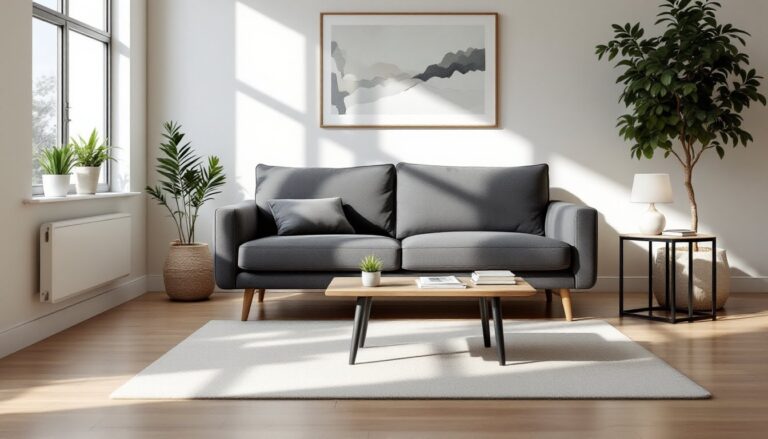
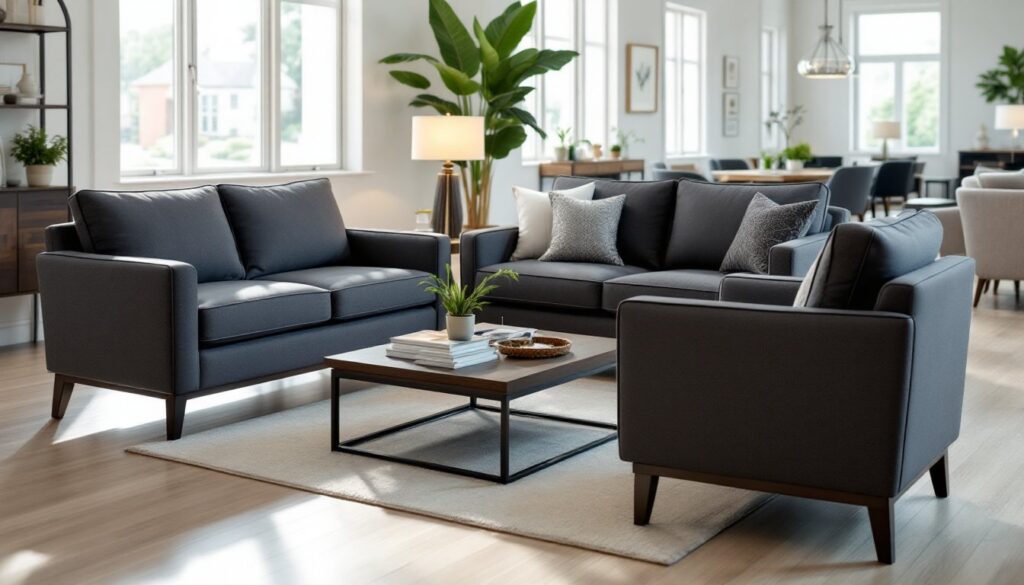
Contemporary collections emphasize clean lines, low profiles, and neutral palettes. Think track arms instead of rolled arms, tapered legs in dark wood or metal, and cushions with firm foam cores (typically 1.8-2.0 density polyurethane foam). These sets work well in open-concept spaces where furniture needs to define zones without creating visual clutter.
Many contemporary sets feature modular sectionals instead of traditional three-piece arrangements. Modularity offers flexibility, you can reconfigure sections when you move or rearrange, but be aware that connection hardware can loosen over time. Check and tighten brackets annually if you opt for modular pieces.
Fabric choices in this category lean toward contemporary furniture trends like textured weaves in charcoal, slate, and taupe. Leather options (usually bonded leather or leather match, not full-grain) come in espresso and graphite. Bonded leather contains about 10-20% genuine leather mixed with polyurethane backing. It photographs well but can peel after 3-5 years, especially along seams and high-contact areas like armrests.
Popular contemporary collections include their Urban Loft and Metro Studio lines. These typically retail between $1,200-$2,000 for a three-piece set. Expect seat depths of 20-22 inches, comfortable for upright sitting but shallow if you’re a sprawler.
Traditional and Classic Collections
Traditional sets embrace warmer aesthetics: rolled arms, button tufting, nailhead trim, and turned wooden legs. Upholstery often features damasks, chenilles, or faux leather in burgundy, camel, and sage, colors that read as dated to some buyers but deliver timeless appeal to others.
Cushioning in traditional sets tends toward softer foam (1.5-1.8 density) topped with polyester fiber wrap, creating that sink-in feel. This is comfortable initially but compresses faster than firmer foam. Plan on fluffing cushions regularly and potentially replacing foam inserts after 5-7 years.
Wood accents, typically stained rubberwood or Asian hardwoods, add visual weight. These pieces are physically heavier than contemporary sets, which improves stability but complicates moving and rearranging. If you’re in a second-floor apartment without elevator access, factor in whether your back (or your friends’ backs) can handle the haul.
Traditional collections like Grandover and Cordelle run $1,500-$2,500 for full sets. These work best in dedicated living rooms with defined boundaries, they’re too formal for most open kitchen-living layouts. Shoppers exploring options for affordable home furnishings often gravitate toward these classic styles for formal spaces.
How to Choose the Right Set for Your Space
Measure first, shop second. This isn’t optional. You need three key measurements before evaluating any set: room dimensions, doorway/hallway widths, and ceiling height if you’re considering high-back furniture.
Start with a scaled floor plan (graph paper works, or use a free app). Mark permanent fixtures, windows, outlets, radiators, floor vents. Furniture needs to leave at least 30 inches of walkway space around traffic paths and 14-18 inches between a coffee table and sofa for comfortable legroom. If your room is under 12×14 feet, full three-piece sets often overwhelm the space. Consider a sofa and accent chair instead.
Sofa depth and seat height affect usability more than most buyers realize. Standard seat heights run 17-19 inches, comfortable for average adults but challenging for shorter individuals or those with mobility issues. If anyone in the household has trouble standing from low seating, look for sets with 19-20 inch seat heights and firm cushions that don’t compress excessively.
Seat depth (front of cushion to back) typically ranges from 20-24 inches. Deeper seats feel luxurious but make sitting upright awkward: shallower seats support better posture but feel less lounge-worthy. Test before buying. Sit normally, then lean back. Your lower back should contact the backrest without having to scoot forward.
Upholstery choice depends on lifestyle, not just aesthetics. Performance fabrics with stain-resistant treatments (often Scotchgard or proprietary coatings) handle spills better than untreated textiles. Microfiber resists pet hair accumulation and cleans easily with water and mild soap. Genuine leather ages well if conditioned regularly but shows scratches from pets. Polyester blends are budget-friendly but pill with friction.
If the set includes a sleeper sofa, test the mattress thickness and mechanism. Value City’s sleepers typically use 4-5 inch innerspring or foam mattresses, adequate for occasional guests, uncomfortable for regular use. The pull-out mechanism should operate smoothly without requiring two people. Cheap mechanisms bind and break: mid-tier ones (like Leggett & Platt systems) last longer.
Consider room layout and focal points. If your TV is the main focus, arrange seating to face it with the sofa 8-12 feet back (adjust for screen size, 50 inches needs about 8 feet, 65 inches needs 10+ feet). If conversation is the priority, arrange seating in a U-shape or facing configuration. Don’t push all furniture against walls: floating pieces 12-18 inches from walls creates a more intentional look and improves traffic flow. Homeowners often explore stylish furniture options that balance aesthetics with function.
Color and pattern impact perceived room size. Light neutrals make small spaces feel larger: dark colors add intimacy but can shrink a room visually. Patterns date faster than solids, what looks fresh now may feel tired in three years. If you love pattern, add it through accent pillows and throws (cheaper to replace) rather than committing to a patterned sofa you’ll live with for a decade.
Check for practical features: removable, washable cushion covers (rare at this price point but worth asking about), USB charging ports built into end pieces (increasingly common), and reversible cushions that extend usable life by letting you flip wear patterns.
Finally, compare Value City’s offerings against other mid-range retailers. Furniture trends highlighted by design experts can inform your choices, but regional pricing varies. In metro areas, expect prices 10-20% higher than suburban locations. Holiday sales (Memorial Day, Labor Day, Black Friday) typically offer 20-30% off, though selection may be limited to floor models. Floor models show real-world wear, inspect seams, check frame rigidity by pushing down on arms and backs, and look under cushions for broken springs or loose webbing.
If you’re furnishing multiple rooms, many shoppers coordinate living room sets with comfortable bedroom furniture to maintain a cohesive style throughout the home. For those seeking elevated materials, exploring luxury furniture options provides insight into higher-end construction methods and finishes.
Before finalizing any purchase, confirm delivery timelines, in-stock items ship within 1-2 weeks, but custom orders can take 8-12 weeks. Measure delivery windows carefully if you’re moving or need furniture by a specific date. And get everything in writing: final price, included pieces, delivery date, and warranty terms.
Conclusion
Value City Furniture living room sets deliver solid value for buyers who prioritize complete, coordinated looks without premium price tags. The key is approaching the purchase with clear measurements, realistic expectations about construction quality, and an honest assessment of how your household actually uses furniture. Test pieces in person when possible, read warranty fine print, and don’t skip measuring doorways, it’s a lot easier than dealing with a sofa stuck in a stairwell.