

Table of Contents
ToggleMetal patio furniture has come a long way from the flimsy white sets that used to rust after one season. Today’s metal outdoor furniture combines durability with style, offering homeowners a practical solution that can stand up to sun, rain, and everyday use without constant babying. Whether someone’s furnishing a small balcony or a sprawling deck, metal sets deliver the structural integrity and low-maintenance appeal that wood and wicker can’t match. This guide walks through everything needed to choose, maintain, and enjoy metal patio furniture that’ll last for years.
Key Takeaways
- Metal patio furniture sets last 15–20 years with basic maintenance, making them a smart long-term investment compared to cheaper materials that need replacement every 3–5 years.
- Aluminum is lightweight and rust-resistant, ideal for coastal or humid climates, while wrought iron offers superior stability and traditional styling but requires more vigilance against corrosion.
- Proper space measurement—36 inches of clearance around dining tables and 18–24 inches between seating pieces—prevents overcrowding and ensures comfortable functionality.
- Regular cleaning every 4–6 weeks with mild soap and water, plus annual inspections for chips or rust spots, keeps metal furniture finishes protected and extends lifespan significantly.
- Climate considerations matter: coastal areas demand aluminum or stainless steel, windy zones benefit from heavier wrought iron, and intense sun exposure requires lighter powder-coat colors or cushions to prevent heat buildup.
Why Choose Metal for Your Patio Furniture?
Metal stands up to weather extremes better than most materials. Unlike wood, it won’t split, warp, or require annual sealing. Unlike resin, it won’t fade to chalky pastels after a couple of summers.
Structural stability is metal’s biggest advantage. A welded aluminum frame won’t sag or wobble like joined wood might after seasonal temperature swings. Metal chairs can support heavier weights without the creaking that comes from worn joinery in wooden furniture.
Weather resistance varies by metal type, but properly finished metal furniture handles UV exposure, rain, and humidity far better than untreated alternatives. Powder-coated finishes create a barrier against moisture that penetrates deep into wood grain or degrades fabric.
Design versatility is another win. Metal can be cast into ornate scrollwork for traditional styles or welded into clean geometric lines for modern aesthetics. Many manufacturers now offer weather-resistant outdoor options that blend metal frames with cushioned seating for comfort without sacrificing durability.
Metal also offers longevity that justifies the upfront cost. A quality metal set can last 15-20 years with basic maintenance, while cheaper materials might need replacement every 3-5 years. That makes metal a smart investment for homeowners who want to set up their patio once and be done with it.
Popular Types of Metal Patio Furniture Sets
Not all metal furniture is created equal. The two most common options, aluminum and wrought iron, serve different needs and price points.
Aluminum: Lightweight and Rust-Resistant
Aluminum is the workhorse of modern patio furniture. It won’t rust because it doesn’t contain iron, making it ideal for coastal areas or humid climates where salt air and moisture wreak havoc on other metals.
Weight is aluminum’s standout feature. A typical aluminum dining chair weighs 8-12 pounds, compared to 25-30 pounds for wrought iron. That makes rearranging furniture or bringing pieces inside for winter storage much easier, especially for homeowners who manage their spaces solo.
Powder-coated aluminum provides the best finish. The coating is baked on at high temperature (around 400°F), creating a durable surface that resists chipping and fading better than spray paint. Look for finishes with a minimum 2-3 mil thickness for outdoor durability.
Aluminum sets work well for contemporary designs. Clean lines, slender profiles, and minimalist silhouettes are easier to achieve with aluminum’s malleability. It’s also a solid choice for anyone who moves frequently or likes to refresh their outdoor layout seasonally.
One downside: aluminum is less stable in high winds. Lightweight chairs and tables can blow around in storms unless they’re weighted down or stored. For windy sites, consider furniture with wider bases or plan to anchor pieces during severe weather.
Wrought Iron: Classic Strength and Style
Wrought iron delivers old-world charm and serious stability. Its weight, which ranges from 25-40 pounds per chair, means it stays put during windstorms and feels substantial underfoot.
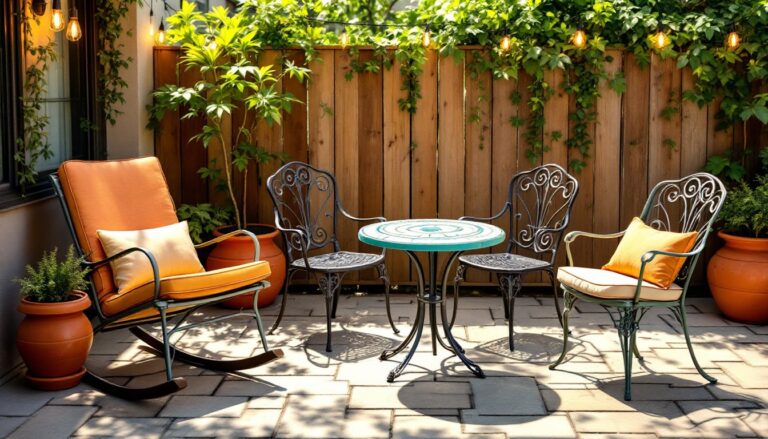
Authentic wrought iron is hand-forged and shaped while hot, allowing for intricate scrollwork and decorative details. Modern “wrought iron” furniture is often cast iron or steel designed to mimic traditional styles, but the aesthetic appeal remains the same: ornate, elegant, and timeless.
Rust protection is critical with iron. Quality pieces come with a rust-inhibiting primer and multiple coats of powder-coat or enamel finish. Even so, wrought iron requires more vigilance than aluminum. Inspect annually for chips or scratches that expose bare metal, and touch up immediately with a rust-inhibiting paint.
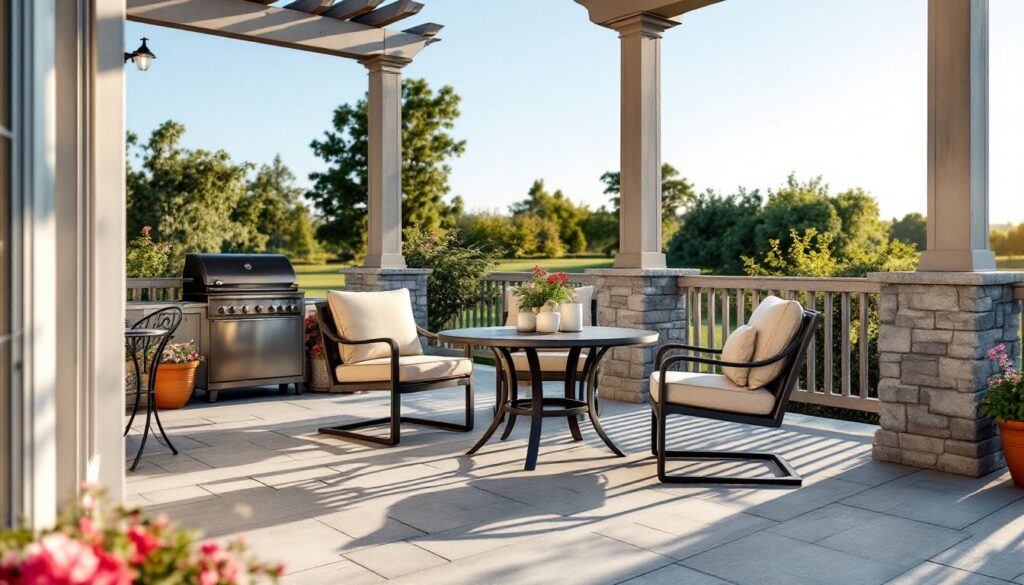
Wrought iron suits traditional outdoor spaces with Mediterranean, French Country, or Victorian design themes. Pairing wrought iron with weather-resistant cushions softens the look and adds comfort without losing the furniture’s classic profile.
The weight is both pro and con. It’s stable and secure, but moving a wrought iron dining set across a deck isn’t a one-person job. Plan the layout carefully before assembly, because rearranging isn’t casual.
Steel furniture (often marketed as wrought iron) offers a middle ground. It’s heavier than aluminum but lighter than true wrought iron, and it can be powder-coated for rust resistance. Steel sets work for homeowners who want durability and traditional styling without the premium price of hand-forged iron.
How to Select the Right Metal Patio Set for Your Space
Choosing the right set means matching material, size, and function to how the space will actually be used.
Measure the space first. A common mistake is buying a set that looks great in the store but overwhelms a small deck. For a dining set, allow 36 inches of clearance around the table so chairs can pull out without hitting railings or walls. For conversation sets, leave 18-24 inches between seating pieces for comfortable traffic flow.
Consider the climate. Coastal areas with salt air demand aluminum or stainless steel: iron will corrode faster even with protective finishes. High-wind areas benefit from heavier wrought iron sets that won’t tip or blow away. In regions with intense sun exposure, darker finishes can get uncomfortably hot to touch, look for lighter powder-coat colors or plan to use cushions.
Match the set to its use. Dining sets need sturdy tables that won’t wobble when someone leans on them. Look for welded joints rather than bolted connections, which can loosen over time. Lounge sets prioritize comfort, so consider frames that accommodate thick cushions without looking bulky.
Check weight capacity. Cheaper metal furniture may use thinner gauge metal or hollow tubing that can’t support heavier users. Quality dining chairs should support at least 250 pounds: lounge chairs and benches should handle 300+ pounds. Manufacturers often list weight ratings in product specs, don’t skip this detail.
Evaluate storage needs. If the furniture needs to be stored during winter, aluminum’s light weight is a major advantage. Stackable chairs and folding tables save space. Wrought iron sets are usually left in place year-round with weatherproof covers, which is fine if there’s no need to reclaim the space.
Budget realistically. Entry-level aluminum sets start around $300-$500 for a small bistro or conversation set. Mid-range aluminum dining sets run $800-$1,500. Wrought iron sets typically start higher, around $600-$1,000 for bistro sets and $1,500-$3,000+ for full dining configurations. Those figures fluctuate with material costs and regional availability, but they provide a baseline.
Finally, sit in the furniture before buying if possible. Metal frames can feel rigid without cushions, and seat heights vary. Testing comfort prevents buyer’s remorse when the set arrives.
Maintenance Tips to Keep Your Metal Furniture Looking New
Metal furniture is low-maintenance, but it’s not no-maintenance. A few regular tasks prevent damage and extend the life of the set.
Clean regularly. Dirt, pollen, and moisture can sit on powder-coated surfaces and gradually degrade the finish. Wash metal furniture every 4-6 weeks during active use with mild dish soap and water. Use a soft sponge or cloth, avoid abrasive scrubbers that scratch the finish. Rinse thoroughly and dry with a towel to prevent water spots.
Inspect for damage. Check annually (or after severe weather) for chips, scratches, or rust spots. Small chips in powder coating can be touched up with matching spray paint or a brush-on rust-inhibiting paint. Bare metal exposed to moisture will rust quickly on iron and steel: aluminum develops a white oxidation that’s less destructive but still unsightly.
Touch up rust immediately. For iron or steel, sand the rusted area lightly with 120-grit sandpaper to remove loose rust and feather the edges. Wipe clean, apply a rust-inhibiting primer, and finish with a matching topcoat. For aluminum oxidation, scrub with a paste of baking soda and water, rinse, and dry.
Protect during off-season. If storing the furniture, clean and dry it completely first. Store in a shed, garage, or basement, anywhere dry and out of direct weather. If leaving furniture outside, invest in heavy-duty waterproof covers that allow ventilation to prevent mildew. Cheap tarps trap moisture and can do more harm than good.
Care for cushions separately. Most outdoor cushions have removable covers that can be machine-washed. Fabrics treated with UV and water-resistant coatings last longer but still benefit from regular cleaning. Store cushions indoors during winter or in a waterproof deck box to prevent mold and fading.
Tighten hardware. Bolted connections can loosen with use and temperature changes. Every spring, walk through the set with a socket wrench or Allen key and snug up any loose bolts. This keeps joints stable and prevents stress cracks in the metal.
Avoid harsh chemicals. Bleach, ammonia-based cleaners, and acidic solutions can strip powder coating or corrode metal. Stick to mild soap and water for routine cleaning. For stubborn stains, use a non-abrasive all-purpose cleaner designed for outdoor furniture.
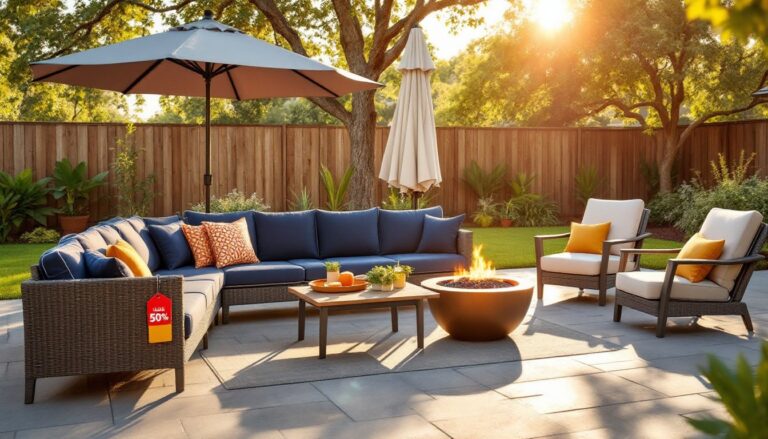
Homeowners considering clearance deals should weigh condition against discount: some patio furniture clearance options may require immediate touch-ups but still offer good value if the underlying frame is sound.
Conclusion
Metal patio furniture delivers durability, style, and practical performance that’s hard to beat. Aluminum sets suit homeowners who prioritize light weight and rust resistance, while wrought iron offers traditional elegance and wind-defying stability. Choosing the right set means measuring the space, matching material to climate, and budgeting for quality that’ll last. With straightforward maintenance, regular cleaning, prompt touch-ups, and seasonal protection, metal furniture can anchor an outdoor space for decades.