

Table of Contents
ToggleInvesting in a luxury living room set isn’t just about buying furniture, it’s about creating a space that balances exceptional craftsmanship with lasting comfort. Unlike mass-produced pieces, high-end sets offer superior materials, attention to detail, and construction methods that can last decades. Whether you’re furnishing a new home or upgrading tired furniture, understanding what separates premium sets from standard options helps ensure your investment delivers both beauty and durability for years to come.
Key Takeaways
- Luxury living room sets are defined by superior construction quality—kiln-dried hardwood frames with mortise-and-tenon joints and eight-way hand-tied springs—that last decades longer than mass-produced furniture.
- Premium upholstery materials like top-grain leather, performance velvets with 50,000+ Martindale rub counts, and natural fibers such as Belgian linen distinguish high-end sets and justify their investment value.
- Modern luxury designs favor organic minimalism, updated traditional styles, and mid-century modern with authentic joinery and materials, reflecting 2026 trends toward warmth and timeless silhouettes.
- Choosing the right luxury living room set requires honest measurement, lifestyle assessment, and prioritizing neutral upholstery in classic designs to ensure long-term satisfaction and flexibility.
- Quality construction and materials matter far more than brand names—a well-crafted piece from an unknown maker outperforms a poorly constructed designer label, so always inspect joinery and test comfort before purchasing.
- Luxury furniture pricing spans $5,000 to $50,000+, with value shifting from entry-level durability to mid-tier customization and high-tier bespoke craftsmanship; warranty coverage and avoiding high-interest financing are critical to protecting your investment.
What Defines a Luxury Living Room Set?
A luxury living room set goes beyond matching upholstery and coordinated colors. At its core, premium furniture is defined by construction quality, materials, and design integrity.
First, examine the frame construction. High-end pieces use kiln-dried hardwood frames, typically maple, oak, or ash, joined with mortise-and-tenon or doweled connections rather than staples or glue alone. These joints distribute stress evenly and prevent the wobbling that plagues cheaper furniture after a few years of use.
Cushion quality matters significantly. Luxury sets typically feature high-density foam (minimum 2.0 lbs per cubic foot) wrapped in down or polyester batting, not the low-density foam that flattens within months. Spring systems also differ: eight-way hand-tied springs, where each coil is individually knotted to its neighbors, provide better support and longevity than sinuous (S-shaped) wire springs common in mid-range furniture.
Finally, look for handcrafted details: deep button tufting, hand-applied nailhead trim, or hand-carved wood accents. These features require skilled labor and can’t be replicated by automated production lines. Designer pedigree or limited-edition status can add value, but only if the underlying construction meets these benchmarks.
Top Materials Used in High-End Living Room Furniture
Material selection separates luxury living room furniture sets from standard offerings. Here’s what professionals look for when evaluating quality.
Premium Upholstery Fabrics
Top-grain leather remains a gold standard for luxury seating. Unlike corrected-grain or bonded leather, top-grain leather retains the hide’s natural texture and develops a rich patina over time. Full-aniline leather, dyed without a protective coating, offers the softest feel but requires more maintenance. Semi-aniline leather adds a light protective layer, balancing durability with that coveted hand-feel.
For fabric upholstery, performance velvets have surged in popularity for 2026. Modern performance fabrics incorporate stain-resistant treatments at the fiber level (not just surface sprays), making them practical for homes with kids or pets while maintaining the luxe appearance of traditional velvet. Expect Martindale rub counts above 50,000 for high-traffic pieces.
Other premium options include Belgian linen (breathable and naturally textured), mohair blends (exceptionally durable with subtle sheen), and hand-woven wool. Avoid polyester-dominant blends in luxury contexts unless they’re specifically engineered performance fabrics: cheap polyester pills and looks dated quickly.
Solid Wood and Metal Frames
The frame is where many manufacturers cut corners. Luxury sets use solid hardwood, not particleboard or plywood, for primary structural elements. Kiln-drying reduces moisture content to 6-8%, preventing warping and joint failure.
Maple and oak offer excellent strength-to-weight ratios. Walnut and cherry provide rich color and grain patterns for exposed wood elements like chair legs or table bases. Some contemporary designs incorporate powder-coated steel or brushed brass frames, particularly in mid-century modern or industrial styles. When metal is used, look for 14-gauge or thicker steel for structural members: anything thinner may flex under load.
Exposed wood should feature hand-rubbed finishes, multiple coats of oil or lacquer, hand-sanded between applications. This depth of finish protects the wood while highlighting natural grain patterns that spray-on finishes can obscure.
Popular Luxury Living Room Set Styles for 2026
Design trends in high-end furniture reflect broader cultural shifts, and 2026 leans toward warmth, texture, and timeless silhouettes.
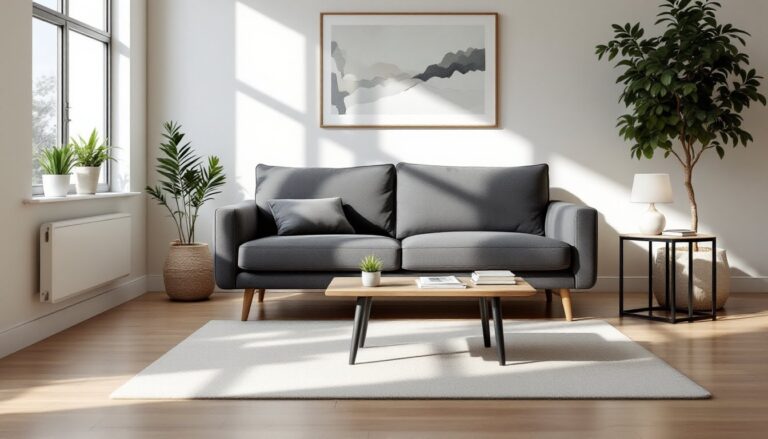
Modern organic continues dominating luxury spaces. Think clean-lined sofas with deep seats, chunky boucle upholstery, and rounded arms that soften the minimalist aesthetic. Natural materials, oak, linen, rattan, ground these pieces. This style works particularly well in open-concept homes where furniture choices define distinct zones without visual clutter.
Updated traditional reinterprets classic forms with contemporary proportions. Chesterfield sofas appear in performance velvet rather than stiff leather. Wingback chairs get lower profiles and wider seats. Tufting remains, but buttons sit deeper and spacing widens for a less fussy look. This approach suits homeowners who appreciate heritage craftsmanship but want comfort that matches modern expectations.
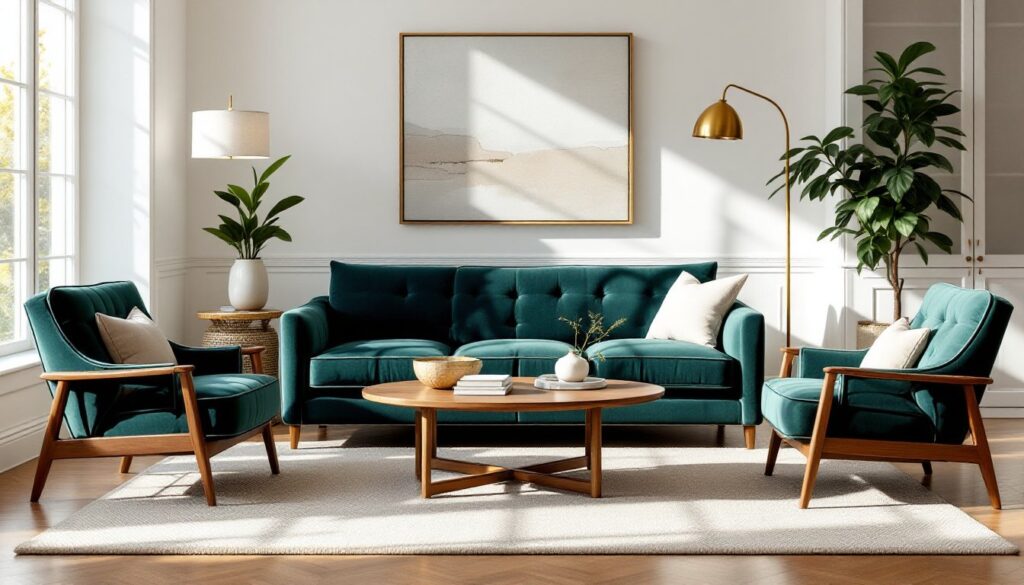
Mid-century modern refuses to fade, especially in luxury interpretations. Look for solid walnut frames, tapered legs, and button-tufted backs. Quality separates vintage-inspired from vintage-replica: high-end versions use period-appropriate joinery and materials rather than just mimicking the aesthetic. Award-winning designs showcased by leading design publications often highlight this balance between historical reference and contemporary comfort.
Maximalist glamour appeals to those wanting statement pieces. Jewel-toned velvets (emerald, sapphire, burgundy), gold-leafed accents, and sculptural silhouettes define this category. Channel-tufted sofas, curved sectionals, and ottomans with brass bases create visual drama. This style demands commitment, it’s hard to hide these pieces in a neutral room later.
How to Choose the Right Luxury Set for Your Space
Selecting luxury living room furniture requires balancing aesthetics with practical considerations. Start with measurements, and be ruthlessly accurate.
Measure your room dimensions including ceiling height, doorways, and any architectural features (fireplaces, built-ins, windows). For sectionals, you’ll need 36 inches of clearance between the sofa and coffee table, and 30-36 inches for walkways. Map out electrical outlets and HVAC vents: high-end furniture is heavy and rearranging later is a production.
Consider sofa depth carefully. Modern luxury sofas trend deep, 38 to 42 inches from front to back, which looks stunning but may not suit everyone. If household members are under 5’6″, feet won’t touch the floor on ultra-deep seating. Test pieces in person when possible: specifications don’t convey how seating actually feels.
Scale matters tremendously. A 108-inch sofa might fit physically in a 12×14 room, but it’ll overwhelm the space visually. As a rule, leave at least 3-4 feet of empty floor space around major furniture pieces. In smaller rooms, consider a loveseat-and-chairs configuration instead of a full sofa.
Match your lifestyle honestly. White Belgian linen looks incredible until the first wine spill or muddy paw print. If you have pets or young children, prioritize performance fabrics and darker colors, or accept higher maintenance. Some luxury furniture owners use professional upholstery cleaning every 12-18 months: budget for this if choosing delicate fabrics.
Finally, consider longevity and flexibility. Neutral upholstery in timeless silhouettes allows you to update accent pieces (pillows, throws, art) without replacing major furniture. Trendy colors or very specific styles may feel dated within five years, a problem when you’ve invested luxury-level money.
Investing Wisely: Price Ranges and What to Expect
Luxury living room sets span a wide price spectrum, and understanding where your money goes helps avoid overpaying for marketing rather than quality.
Entry luxury ($5,000-$10,000 for a sofa and two chairs) typically features solid hardwood frames, quality foam cushioning, and mid-tier upholstery fabrics. You’ll get good construction but fewer custom options. Brands in this range often use some mechanized production alongside handwork. This tier suits buyers prioritizing durability and classic design over exclusivity.
Mid luxury ($10,000-$25,000) introduces premium materials: top-grain leather, designer fabrics, eight-way hand-tied springs. Customization expands significantly, choose leg finishes, arm styles, cushion firmness. Lead times extend to 8-12 weeks for custom orders. Many pieces in this range come from established American or European manufacturers with multi-decade reputations.
High luxury ($25,000-$50,000+) means bespoke craftsmanship. Furniture makers source specific leather hides or commission exclusive fabric patterns. Every joint is hand-cut: finishes are applied by artisans who’ve spent years mastering their craft. You’re paying for artistic vision alongside function. Expect 12-16 week lead times, sometimes longer for complex pieces.
Designer and limited editions exceed $50,000 routinely. Here you’re buying provenance as much as furniture, pieces designed by notable architects or limited to numbered productions. Resale value may hold better than lower tiers, particularly for iconic mid-century designs.
Prices vary significantly by region. Urban markets with high-end design districts (New York, Los Angeles, Miami) carry premium pricing due to overhead, while direct-to-consumer luxury brands bypass showroom costs. Material costs fluctuate too: leather and hardwood prices spiked in recent years due to supply chain issues and remain elevated.
Before committing, compare warranty coverage. Reputable manufacturers stand behind their work: frame warranties of 10+ years, cushion warranties of 3-5 years. Lifetime warranties exist but read the fine print, they often cover only catastrophic structural failure, not normal wear.
Financing is widely available for luxury furniture, but the interest eats into value. If you can’t pay cash, consider waiting or choosing a lower tier. Furniture depreciates immediately: carrying high-interest debt on a depreciating asset rarely makes financial sense.
For homeowners pursuing comprehensive design schemes, resources like Architectural Digest and platforms such as Home Bunch offer extensive galleries showing how luxury pieces function within complete interiors, helpful context when choosing sets that’ll anchor a room for decades.
Bottom line: Quality construction and materials matter more than brand names. A well-made piece from a lesser-known manufacturer outperforms a poorly constructed designer label. Do your assignments, inspect joinery, test comfort, and invest in what you’ll actually use and love daily.