

Table of Contents
ToggleSmall patios, balconies, and decks need flexibility more than square footage. Folding patio furniture solves the space puzzle that stumps most homeowners: how to enjoy outdoor dining and lounging without turning a compact area into an obstacle course. This guide breaks down the best foldable patio furniture types, materials, and selection criteria so anyone can configure a comfortable outdoor space that adapts to hosting a crowd or storing gear when weather turns. No Pinterest-perfect staging required, just practical advice for making the most of whatever outdoor square footage is available.
Key Takeaways
- Folding patio furniture maximizes small outdoor spaces like balconies and patios by storing flat against walls or in deck boxes, freeing up room for multiple uses without permanent layout constraints.
- Choose folding furniture with cross-brace frames, powder-coated steel tubing, and locking leg brackets to ensure stability and durability, avoiding thin stamped-steel designs that bend under pressure.
- Materials matter: aluminum suits portable chairs, steel handles heavier dining sets, hardwoods deliver warmth but need annual oiling, and UV-stabilized HDPE and textilene fabrics resist weathering in harsh climates.
- Test the folding mechanism before purchasing—smooth, tool-free collapse is essential, as furniture that requires pins or multiple people to fold won’t get used and will weather prematurely.
- Budget $50–$150 per quality folding chair and $150–$400 for dining tables, then protect your investment through winter storage in dry spaces, biannual hinge lubrication, and immediate touch-ups on paint or rust chips.
- Start with a folding dining set as your foundation piece, then add folding side tables and chairs as budget allows to build a flexible outdoor room that adapts to both entertaining and everyday living.
Why Choose Folding Patio Furniture for Your Outdoor Space
Folding furniture is the Swiss Army knife of outdoor setups. It maximizes usable space without locking homeowners into a single layout. A fixed six-person dining set claims floor space whether it’s used daily or once a season. Folding alternatives stash against a wall, in a deck box, or inside a garage, freeing the patio for yoga, kids’ play, or simply walking around without turning sideways.
The benefits stack up quickly:
- Seasonal storage: Fold and store pieces during winter to prevent weather damage and extend furniture life.
- Multi-use zones: Transform a dining area into a grilling station or lounge space in minutes.
- Rental-friendly: Renters can take quality furniture to the next place without hiring a truck.
- Budget flexibility: Start small and add pieces as needs grow, rather than committing to a full set upfront.
Smaller outdoor spaces, think apartment balconies, townhouse patios, or narrow side yards, particularly benefit from folding designs. Even larger patios gain flexibility for hosting parties, then returning to a more open layout. The key is choosing well-built pieces that fold and unfold reliably without wobbling or pinching fingers.
Types of Folding Patio Furniture Worth Considering
Folding Chairs and Loungers
Folding chairs range from basic camping seats to bistro-style options with contoured backs and armrests. Look for models with cross-brace frames or A-frame supports, these distribute weight better than single-pivot designs and won’t sag after a season of use.
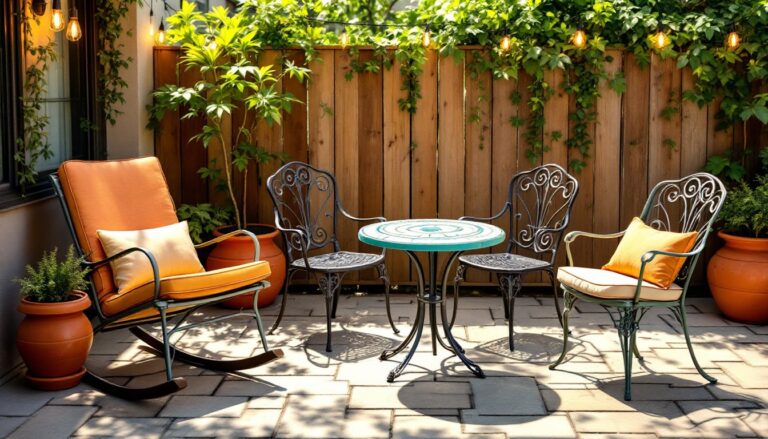
Bistro chairs typically fold flat (1-3 inches thick) and stack vertically. Metal frames with slatted wood or resin seats handle daily use better than all-plastic versions. For lounging, zero-gravity recliners with textilene fabric (a PVC-coated polyester mesh) adjust to multiple positions and fold into a compact profile. They’re heavier than basic beach chairs but far more comfortable for afternoon naps or reading.
Adirondack-style folding chairs exist but often sacrifice the classic wide armrests for portability. If the signature sprawl is non-negotiable, stick with traditional fixed Adirondacks and use folding chairs as overflow seating.
Collapsible Tables and Dining Sets
Folding tables fall into two camps: center-fold designs (like a card table) and drop-leaf styles where sides hinge down. Center-fold tables support heavier loads and feel more stable for dining. Drop-leaf tables save more space but require a base that stays in place, less portable, more like a permanent fixture with collapsible edges.
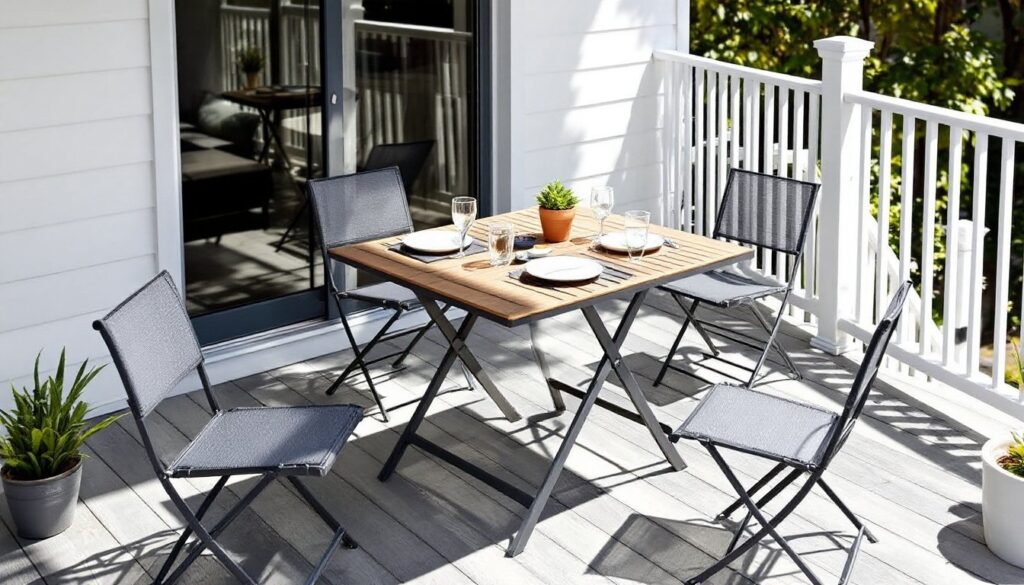
For dining sets, consider folding bistro sets (two chairs and a 24-30 inch round table) or rectangular tables with folding benches. Rectangular tables measuring 48 x 30 inches seat four comfortably and fold into a 30 x 4-inch profile. Benches often nest under the table when folded, creating a single storage unit.
Avoid tables with thin stamped-steel legs, they bend under pressure. Look for powder-coated steel tubing (at least 1-inch diameter) or hardwood frames with mortise-and-tenon joinery at stress points. Tables with locking leg brackets prevent accidental collapses mid-meal, which is a real concern with cheaper models.
Materials That Matter: Choosing Durable Folding Furniture
Material choice determines whether folding furniture lasts one season or ten. Each has trade-offs between weight, durability, and maintenance.
Aluminum: Lightweight and rust-proof, aluminum frames make portability easy. Anodized or powder-coated finishes resist scratches better than bare aluminum. The downside? Aluminum dents more easily than steel and feels less substantial under weight. Best for chairs and side tables that get moved often.
Steel: Heavier and sturdier than aluminum, steel handles higher weight capacities. Galvanized or powder-coated steel resists rust, but any chips in the coating expose metal to corrosion. Inspect joints and welds annually and touch up with rust-inhibiting primer if needed. Steel is the go-to for dining tables and benches that support multiple people.
Hardwood: Teak, eucalyptus, and acacia offer the best weather resistance among woods. Teak contains natural oils that repel moisture, but it’s pricey. Eucalyptus and acacia need annual oiling with teak or linseed oil to prevent cracking. Avoid pine or cedar in folding furniture, they’re too soft and splinter at pivot points. Hardwood adds 10-15 pounds compared to metal but delivers a warmer aesthetic that many homeowners prefer for outdoor living spaces.
Resin and HDPE: High-density polyethylene (HDPE) resists UV damage and won’t crack like cheaper plastics. It’s maintenance-free but lacks the refined look of wood or metal. Resin furniture works well for poolside or beach setups where saltwater and chlorine would corrode metal. Check that HDPE pieces have UV stabilizers mixed into the material, not just a surface coating.
Textilene and sling fabrics: For chair seats and backs, textilene (PVC-coated polyester mesh) dries quickly and supports body weight without sagging. Sling fabrics made from solution-dyed acrylic resist fading better than printed fabrics. Avoid vinyl-coated fabrics in hot climates, they get sticky in direct sun.
How to Select the Right Folding Patio Furniture for Your Needs
Start with measurements, not browsing. Measure the patio or balcony in both “open” and “closed” configurations, space needed when furniture is set up versus space available when it’s folded and stored.
Weight capacity: Check manufacturer specs for both static weight (sitting still) and dynamic weight (shifting around). A chair rated for 250 pounds static might only handle 200 pounds dynamic. If hosting larger guests or kids who climb on furniture, budget an extra 50 pounds of capacity per seat.
Folding mechanism: Test the fold before buying. Smooth, tool-free folding is non-negotiable. Furniture that requires removing pins, unscrewing knobs, or two people to collapse won’t get used, it’ll sit outside year-round and weather prematurely. Gas-assist hinges on tables and spring-loaded locks on chairs add cost but make setup effortless.
Stackability: If storing multiple chairs, ensure they stack without scratching. Plastic bumpers or rubber feet protect finishes. Chairs should nest tightly (no more than 2 inches per additional chair) to maximize storage efficiency.
Weather resistance: Match materials to local climate. Coastal areas need rust-proof metals and fade-resistant fabrics. Desert climates benefit from UV-stabilized plastics and breathable mesh. Humid regions require hardwoods with natural rot resistance or fully synthetic materials.
Ergonomics: Folding doesn’t mean uncomfortable. Chair seats should be 16-18 inches deep and 15-17 inches off the ground for proper support. Contoured backs beat flat seats every time. For patio remodeling projects, select furniture that complements the overall design without sacrificing comfort.
Budget allocation: Expect to spend $50-$150 per folding chair for quality construction, $150-$400 for a folding dining table, and $200-$600 for a complete bistro set. Cheaper options exist but often fail at hinges or joints within two seasons. Investing in mid-range furniture with solid warranties saves money compared to replacing bargain pieces annually.
Storage and Maintenance Tips for Long-Lasting Performance
Proper storage doubles the lifespan of folding furniture. Even weather-resistant materials benefit from protection during off-seasons.
Winter storage:
- Clean all surfaces with mild soap and water before storing. Dirt traps moisture and accelerates corrosion or mold.
- Dry completely, use a towel on joints and hinges where water pools.
- Store in a dry, ventilated space like a garage, shed, or basement. Avoid sealing furniture in plastic bins, which trap condensation.
- Stack chairs with cardboard or foam separators to prevent scratches.
- For those looking at clearance options for storage bins, late-season sales often include deck boxes and storage benches.
Regular maintenance:
- Lubricate hinges and pivot points twice per season with silicone spray or dry PTFE lubricant. Avoid WD-40 for outdoor furniture, it attracts dust and gums up over time.
- Tighten screws and bolts annually. Vibration from folding and unfolding loosens hardware. Keep a hex key set handy for quick adjustments.
- Touch up paint or stain on metal and wood frames as soon as chips appear. Small touch-ups prevent rust or water intrusion.
- Clean fabric seats with a soft brush and upholstery cleaner. For stubborn stains on mesh, use a 10:1 water-to-bleach solution, rinse thoroughly, and air dry.
In-season protection:
- Use furniture covers during extended non-use periods, even in summer. Covers rated 300D or higher denier with waterproof backing and ventilation panels prevent mildew.
- Position furniture to avoid standing water. Fold chairs and lean them against walls or rails so rain drains off rather than pooling in seat creases.
- Move furniture under cover during severe weather. Folding designs make this easy, no excuses for leaving pieces out during hailstorms or high winds.
Safety checks:
- Inspect locking mechanisms before each use. Chairs and tables that collapse unexpectedly are a liability.
- Check for loose fabric or frayed mesh. Replace sling seats when material thins or tears, it’s cheaper than emergency room visits.
- Watch for sharp edges on metal frames, especially after years of folding. File down burrs with a metal file and touch up with paint.
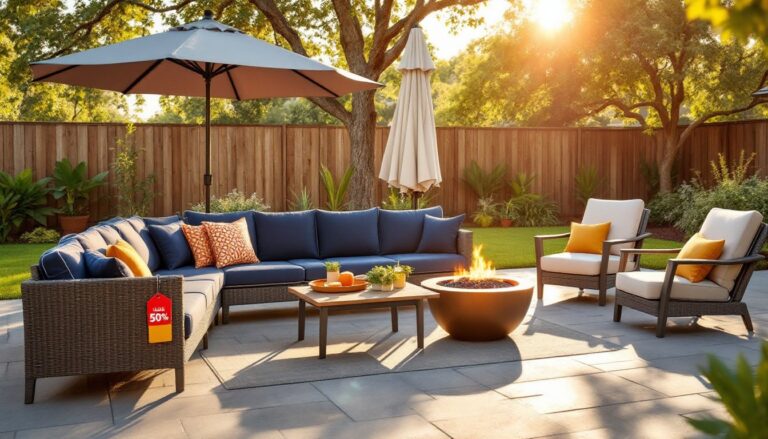
Many modern outdoor furniture collections now include modular folding options that integrate with fixed pieces, providing flexibility as needs change. The best setups blend both styles, a fixed sofa for everyday use, with folding chairs and side tables that deploy for parties.
For design-forward homeowners, contemporary folding furniture has evolved beyond utilitarian camping gear. Sleek designs in powder-coated metals and FSC-certified woods deliver style without sacrificing portability. Folding no longer means compromising on aesthetics.
Professionals in garden and patio design often recommend starting with a folding dining set as the foundation. It serves dual duty for meals and workspace, then disappears when the patio converts to a lounging zone. Add folding side tables and chairs as budget allows, building a flexible outdoor room that adapts to how the space actually gets used, not how a catalog suggests it should look.