

Table of Contents
ToggleShopping for outdoor furniture can feel overwhelming with dozens of configurations available. A 6 piece patio furniture set hits a sweet spot for many homeowners, it’s large enough to host friends for dinner but won’t swallow a modest deck or patio. These sets deliver everything needed for outdoor entertaining without the hassle of matching individual pieces. Whether someone’s furnishing a new space or upgrading worn-out furniture, understanding what makes a quality 6 piece set helps avoid costly mistakes and buyer’s remorse.
Key Takeaways
- A 6 piece patio furniture set balances functionality and footprint, comfortably seating four to six adults without overwhelming modest decks or patios.
- Material and frame construction matter more than piece count—look for 14-gauge steel or 1.5mm aluminum walls and avoid hollow tubes or riveted joints that indicate poor durability.
- Buying a matched 6 piece patio furniture set saves 15-30% compared to purchasing individual pieces and eliminates guesswork in coordinating heights, finishes, and proportions.
- Synthetic resin wicker, aluminum, and welded steel are popular 6 piece patio furniture materials, each with distinct advantages: wicker mimics natural texture without rot, aluminum resists rust in coastal areas, and steel offers superior strength.
- Measure your space before shopping—dining sets require at least 10 x 12 feet of patio space with 36 inches of clearance behind each chair for comfortable movement.
- Invest in solution-dyed acrylic cushions (like Sunbrella) for superior fade and mildew resistance, and commit to monthly rinsing plus seasonal deep cleaning to prevent premature furniture failure.
What’s Included in a 6 Piece Patio Furniture Set?
The term “6 piece” describes the total number of furniture items, not the seating capacity. Most configurations include a table plus seating, but the exact breakdown varies by manufacturer and style.
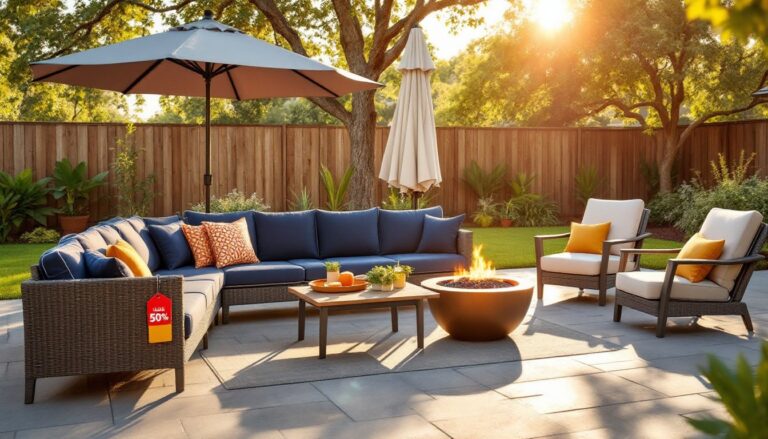
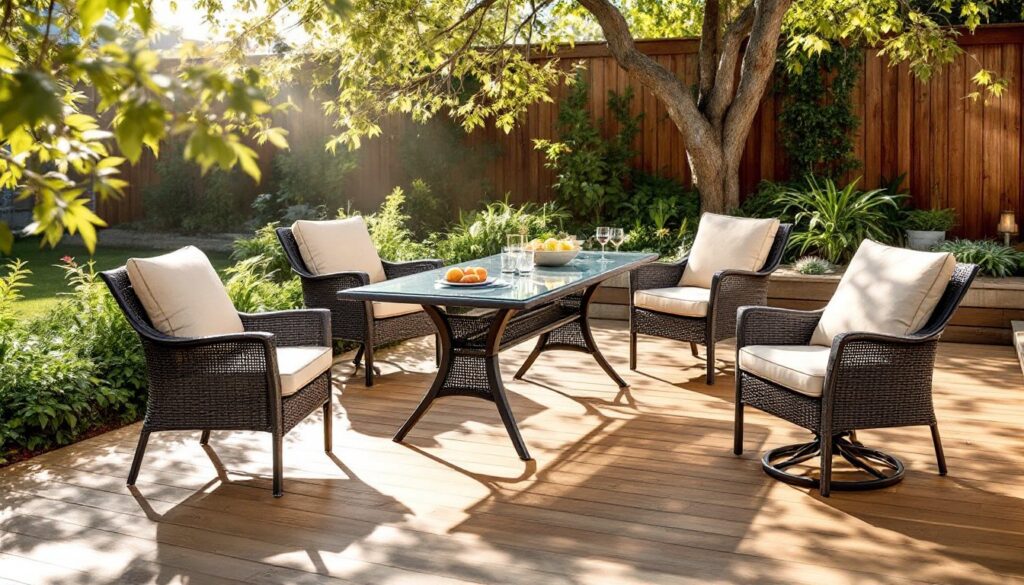
Typical dining configurations feature one rectangular or oval table (60-72 inches long) with four to six chairs. Some sets swap two chairs for a bench, which works well for families with kids. Conversation sets take a different approach: a loveseat, two club chairs, two ottomans, and a coffee table create a living room vibe outdoors.
Material and frame construction matter more than piece count. A set with a stamped aluminum frame and thin fabric cushions won’t outlast a welded steel frame with solution-dyed acrylic cushions, regardless of how many pieces come in the box. Check frame thickness, 14-gauge steel or 1.5mm aluminum walls indicate solid construction. Hollow tubes and riveted joints are red flags for premature failure.
Some manufacturers count cushions as separate pieces, inflating the count artificially. A “6 piece set” might actually be four chairs with seat cushions counted individually. Read product descriptions carefully and verify what’s included before purchasing.
Benefits of Choosing a 6 Piece Configuration
A 6 piece set balances functionality and footprint better than larger or smaller options. It seats four to six adults comfortably, ideal for weeknight dinners and weekend gatherings without requiring a sprawling outdoor space.
From a practical standpoint, buying a matched set eliminates the guesswork of coordinating finishes, heights, and proportions. Table height typically sits at 28-30 inches, with chair seats at 17-18 inches, standard dining dimensions that work for most adults. Mixing furniture from different manufacturers often results in mismatched heights that make meals awkward.
Budget-wise, sets offer better value per piece than buying individually. Manufacturers bundle items at a lower total cost, and shipping one consolidated order beats paying separate freight charges. Expect to save 15-30% compared to buying equivalent pieces separately, though this varies by retailer and season.
Maintenance simplifies when all pieces share the same material and finish. One type of cleaner, one refinishing process, one set of care instructions. This becomes especially valuable three years down the line when cushions need replacing or frames need touch-up.
Popular Materials for 6 Piece Patio Sets
Material choice determines durability, maintenance requirements, and how furniture weathers over time. There’s no universal “best” material, climate, storage options, and maintenance tolerance all factor into the decision.
Wicker and Rattan Options
Synthetic resin wicker (polyethylene or PVC) dominates the mid-range market for good reason. It mimics natural wicker’s texture without the rot, mildew, and UV degradation issues. Quality synthetic wicker furniture features hand-woven strands over powder-coated aluminum frames, not plastic molded to look like weaving.
Check the wicker density and strand thickness. Thin, loosely woven strands sag and separate within two seasons. Look for 5-7mm strand thickness with tight, consistent weaving. The frame underneath matters more than the wicker itself. Aluminum resists rust better than steel in humid climates, though steel offers superior strength for heavier loads.
Natural rattan works beautifully in covered patios but deteriorates quickly with direct rain exposure. It requires annual sealing and should be stored indoors during winter in cold climates. Natural materials need more babysitting but deliver an aesthetic warmth that synthetic options can’t quite match. Homeowners seeking low-maintenance options should consider alternatives like durable outdoor furniture designed for year-round exposure.
Metal and Aluminum Frames
Aluminum furniture dominates coastal areas for one reason: it won’t rust. Marine-grade aluminum (often labeled as 5000-series alloy) resists saltwater corrosion that destroys steel and iron within months. Powder-coated finishes add color and UV protection, though they’ll eventually chip with hard use.
Weight matters for both stability and portability. Heavier aluminum furniture (typically cast aluminum) stays put in wind but requires effort to rearrange. Extruded aluminum furniture weighs less and costs less but tends to blow around unless anchored.
Steel furniture offers the best strength-to-cost ratio. Welded steel frames support more weight and resist wobbling better than aluminum. The catch: steel rusts without proper finishing. Look for hot-dip galvanized steel or powder-coated finishes with rust-inhibiting primer. Touch up any chips immediately, or rust spreads beneath the coating.
Wrought iron furniture weighs enough to stay put in any weather but requires vigilant rust maintenance. It’s overkill for most applications unless someone needs the specific aesthetic or extreme wind resistance. Regional publications like Southern Living often showcase how traditional wrought iron pieces complement porch designs in humid climates.
How to Choose the Right 6 Piece Set for Your Space
Measure the space before shopping, not after delivery. A common mistake: buying furniture that fits the patio dimensions without accounting for movement space.
For dining sets, allow 36 inches minimum behind each chair for people to push back and walk past. A 60-inch table needs roughly 10 x 12 feet of patio space to function comfortably. Conversation sets require less room but still need 24-30 inches of walkway around the perimeter.
Consider sun exposure and wind patterns. South-facing patios in hot climates benefit from mesh or sling fabric that doesn’t trap heat like solid cushions. Exposed rooftop decks need heavier furniture or tie-down anchors, lightweight aluminum chairs become projectiles in strong wind.
Storage capacity determines whether someone needs all-weather furniture or can manage seasonal storage. Stackable chairs and foldable tables reduce storage footprint but sacrifice some comfort and aesthetics. For those willing to invest in quality pieces, curated outdoor furniture often features modular designs that adapt to changing needs.
Cushion fabric makes or breaks comfort. Solution-dyed acrylic (Sunbrella is the dominant brand) resists fading and mildew far better than standard outdoor fabrics. Cheaper polyester cushions fade to pink or gray within one season of sun exposure. Cushion thickness matters too, 3-4 inches of high-density foam provides adequate support without bottoming out.
Test furniture in person when possible. Sit in chairs for at least 60 seconds. Check whether armrests hit the table edge (a surprisingly common design flaw). Verify that chair backs offer lumbar support, not just a decorative rail. Resources like Country Living provide inspiration for how different furniture styles work in real outdoor spaces.
Budget appropriately for the quality level needed. Expect to spend $600-1,200 for decent synthetic wicker sets, $1,200-2,500 for quality aluminum or steel, and $2,500+ for teak or high-end materials. Big box store “deals” under $400 typically fail within two seasons, false economy unless someone’s furnishing a rental or staging a home for sale.
Maintenance and Care Tips for Long-Lasting Outdoor Furniture
Outdoor furniture survives years of abuse with minimal maintenance, but “minimal” doesn’t mean zero. A few seasonal tasks prevent premature failure and keep furniture looking presentable.
Monthly during use season: Hose down furniture to remove pollen, dirt, and bird droppings. These seem harmless but acids in bird waste etch powder coating, and pollen stains fabric permanently if left too long. Use a soft brush and mild dish soap for stubborn spots. Pressure washers work on metal and synthetic wicker but can damage wood and natural fibers.
Seasonal deep cleaning: Mix 1/4 cup mild detergent with 1 gallon warm water. Scrub all surfaces with a soft brush, paying attention to wicker crevices and frame joints where dirt accumulates. Rinse thoroughly, soap residue attracts dirt. For cushions, check care labels. Most can be spot-cleaned, but some have removable covers that are machine-washable in cold water.
Winter storage (cold climates): Bring cushions indoors. Even “all-weather” cushions last longer without freeze-thaw cycles. Store furniture in a shed or garage if possible. If leaving outside, use breathable furniture covers, not plastic tarps that trap condensation and promote mildew. Elevate furniture off wet ground using pavers or wood blocks to prevent frame corrosion.
Frame protection: Inspect powder-coated finishes annually for chips. Touch up immediately with matching spray paint or clear nail polish as a temporary fix. Steel furniture benefits from a coat of car wax once per year, it protects the finish and makes cleaning easier.
Cushion care: Store cushions on-end rather than stacked flat, this allows air circulation and prevents mildew. On humid days, flip cushions after rain to let both sides dry. Consider a deck box or outdoor storage bench for convenient cushion storage.
Hardware maintenance: Tighten bolts and screws twice per season. Outdoor furniture loosens from temperature changes and movement. Apply silicone lubricant (not oil-based) to moving parts like reclining mechanisms or folding joints. Oil-based products attract dirt and gum up over time.
Specific material care: Teak furniture develops a silver-gray patina naturally, this isn’t damage. To maintain the original honey color, apply teak oil twice per season. Synthetic wicker rarely needs more than soap and water. Aluminum furniture is nearly bulletproof but benefits from occasional waxing. Steel requires vigilant rust watch, catch problems early before they spread.