

Table of Contents
ToggleA small living room doesn’t have to feel cramped. With careful planning and the right furniture layout, even a 10×12 room can feel open, functional, and inviting. The trick isn’t about buying smaller furniture or cramming everything against the walls, it’s about understanding traffic flow, scale, and using every square foot intentionally. Whether you’re working with an awkward alcove or a narrow rectangular space, a smart small living room furniture layout can transform how you live in the room. Here’s how to maximize your square footage without sacrificing comfort or style.
Key Takeaways
- A successful small living room layout starts with measuring your space, sketching a floor plan, and identifying a focal point like a fireplace or TV wall to orient furniture around.
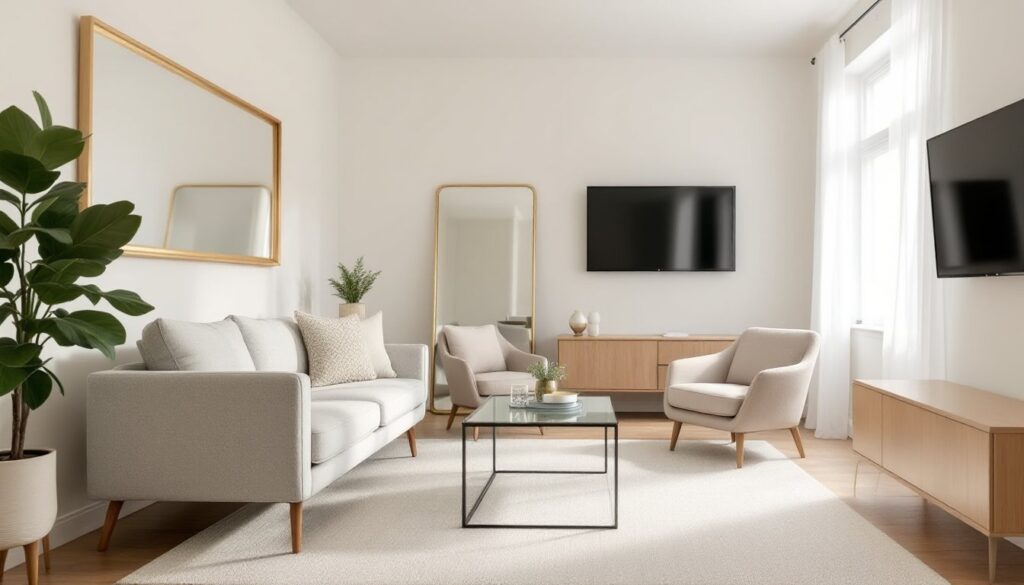
- Choose appropriately scaled furniture such as loveseats or low-profile sofas with exposed legs, and float pieces a few inches from walls rather than cramming everything against perimeters to enhance openness.
- Every piece should be multi-functional—opt for storage ottomans, lift-top coffee tables, and wall-mounted TVs to maximize floor space without sacrificing comfort or style.
- Maintain clear traffic flow by keeping primary walkways at 30 inches minimum and secondary paths at 18 inches, while positioning seating to welcome entry rather than block doorways.
- Strategic design tricks like light wall colors, large mirrors opposite windows, glass furniture, and curtains hung near the ceiling create the illusion of a larger space.
- Build vertically with floor-to-ceiling shelving and tall narrow bookcases to optimize storage, and use area rugs and subtle lighting to define zones without cutting up the room.
Assess Your Space and Identify Your Living Room’s Potential
Before moving a single piece of furniture, measure the room. Use a tape measure to record the room’s length, width, and any architectural features like windows, doors, radiators, or built-ins. Note the swing direction of doors, a door that opens inward eats up about 6–9 square feet of usable floor space.
Sketch a rough floor plan on graph paper or use a free tool like RoomSketcher. Mark out immovable elements first: electrical outlets, HVAC vents, light switches, and windows. These dictate where your TV, lamps, and seating can realistically go without extension cords snaking across walkways.
Identify the room’s focal point. In most living rooms, it’s a fireplace, large window, or the wall where the TV will mount. Your furniture layout should orient around this anchor. If the room lacks a natural focal point, create one with a bold piece of art or a media console.
Consider how the room connects to adjacent spaces. Does traffic flow from the entryway straight through the living room to the kitchen? If so, you’ll need to design around that pathway, not block it with a sofa back.
Choose the Right Furniture Scale and Placement
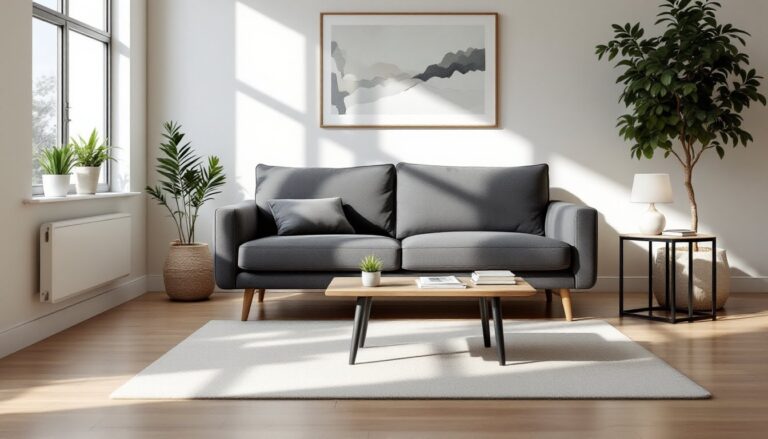
Scale is everything in a small room. A sectional designed for a suburban great room will overwhelm a 150-square-foot living area. Instead, opt for a loveseat (58–64 inches wide) or a standard three-seat sofa (72–84 inches) with a low profile and exposed legs. Furniture with visible legs, whether wooden, metal, or tapered, creates visual breathing room by showing more floor.
Don’t shove everything against the walls. Floating furniture a few inches away from the perimeter can actually make a room feel larger by defining the seating area and improving flow. In rectangular rooms, try placing the sofa perpendicular to the longest wall rather than parallel, it breaks up the bowling alley effect.
Leave at least 18 inches between the sofa and coffee table, and 30–36 inches of clearance for main traffic paths. Any less and you’re forcing people to shimmy sideways. For side tables, choose nesting tables or a single 16–20 inch round table instead of bulky squares.
Avoid matching furniture sets. A sofa, loveseat, and armchair from the same collection can feel heavy and monolithic. Mix a sofa with a pair of lightweight accent chairs or a small bench. This approach, common in modern living spaces, keeps the layout flexible and visually lighter.
Selecting Multi-Functional Pieces
In tight quarters, every piece should earn its spot. Look for ottomans with hidden storage, coffee tables with lift-tops, or sleeper sofas that can accommodate overnight guests. A storage ottoman can serve as extra seating, a footrest, and a place to stash throw blankets, that’s three functions in one piece.
Consider a console table behind the sofa if the room allows. At 10–14 inches deep, it won’t intrude on walking space but adds surface area for lamps, books, or decor. Some console tables even fold out into dining surfaces for studio apartments.
Skip the bulky entertainment center. A wall-mounted TV and a slim media console (under 16 inches deep) free up floor space and make the room feel less cluttered. If you need more storage, add floating shelves or a narrow bookcase in an underused corner.
Create Strategic Traffic Flow Patterns
Traffic flow is the invisible skeleton of a good layout. Walk through your space and identify natural pathways, from the entry to seating, from seating to windows, from the living room to the kitchen. These paths should be clear and unobstructed.
Maintain a minimum 30-inch clearance for primary walkways and 18 inches for secondary paths between furniture. If you can’t walk through without turning sideways, the layout needs adjustment.
Avoid placing furniture in front of doorways or blocking access to windows. Even if the window isn’t used daily, you’ll need to reach it for cleaning, opening, or adjusting blinds. Position seating so it faces the entry or sits at an angle, never with backs directly to the door, which feels unwelcoming.
In narrow or galley-style living rooms, resist the urge to line both long walls with furniture. Instead, anchor one wall with the sofa and place accent chairs at angles to create a conversational cluster. This opens up one side for clear passage and makes the room feel intentionally designed rather than stuffed.
Use Visual Tricks to Expand Your Space
Strategic design choices can make a small room feel significantly larger. Start with color: light, neutral walls reflect more light and push boundaries outward. Whites, soft grays, and warm beiges are safe bets. If you prefer color, paint the trim and ceiling the same shade as the walls to blur edges and create continuity.
Mirrors are a designer’s best friend in tight spaces. A large mirror opposite a window reflects natural light and doubles the visual depth of the room. Lean an oversized mirror against a wall or hang it horizontally above a sofa to amplify the effect. Just avoid placing mirrors where they reflect clutter or awkward angles.
Choose furniture with transparent or reflective materials. A glass coffee table, acrylic side table, or a mirrored console takes up physical space but not visual weight. The eye can see through or past these pieces, maintaining an open feel.
Opt for low-profile furniture. Sofas and chairs with lower backs don’t obstruct sightlines across the room. This approach is particularly effective in loft-style spaces or rooms with great views. Many apartment layouts use this tactic to preserve openness while adding seating.
Limit pattern and texture. Too many competing elements, stripes, florals, heavy textures, can make a small room feel chaotic. Stick to one or two accent patterns and keep large surfaces (sofa, rug, curtains) relatively simple.
Optimize Vertical Space and Storage Solutions
When floor space is limited, build up. Floor-to-ceiling shelving draws the eye upward and provides ample storage without eating into the room’s footprint. Install floating shelves above the sofa, around windows, or in corners that would otherwise go unused.
Use the space above doorways. A narrow shelf mounted 6–12 inches below the ceiling can hold books, baskets, or decor, areas the eye doesn’t focus on but that add functional storage.
Wall-mount your TV and components. This frees up the floor and allows you to position seating more flexibly. Use a low-profile mount and hide cables inside cable raceways or behind drywall (if you’re comfortable cutting into walls: otherwise, adhesive channels work fine).
Incorporate tall, narrow bookcases instead of short, wide ones. A 72-inch-tall bookcase with a 12-inch depth offers plenty of storage but feels less imposing than a squat unit stretching across a wall.
Hang curtains as close to the ceiling as possible, even if the window is lower. This vertical line tricks the eye into perceiving taller walls. Use a lightweight fabric that puddles slightly on the floor for a high-end look.
If storage is a chronic issue and you’re tackling multiple small spaces, techniques from small bathroom remodeling projects, like recessed shelving and wall-mounted cabinets, can translate well to living areas.
Define Zones Without Sacrificing Openness
In a multipurpose space, subtle zoning helps organize activities without chopping up the room. Use an area rug to anchor the seating zone. The rug should be large enough that at least the front legs of all seating pieces rest on it, typically 8×10 feet for most small living rooms. This visually groups the furniture and signals “this is the conversation area.”
In studio apartments or open-plan homes, a bookcase or console table can act as a room divider. Position it perpendicular to a wall to separate the living area from a sleeping or dining zone without blocking light or sightlines. Choose open shelving rather than solid-back units to maintain transparency.
Lighting also defines zones. A floor lamp behind the sofa creates a reading nook. Pendant lights over a small dining table (if your living room doubles as a dining area) mark that zone as distinct. Layer ambient, task, and accent lighting to give the room depth and flexibility.
Avoid heavy curtains or solid partitions. If privacy is needed, use sheer panels or a folding screen that can be moved as needed. The goal is flexibility, your small living room should adapt to how you use it, whether that’s movie night, work-from-home mode, or hosting friends.
For rooms that serve multiple functions, modular furniture is a game-changer. Poufs that stack, side tables that nest, or a fold-down desk mounted on the wall all offer utility without permanent commitment. Design inspiration from contemporary home layouts often showcases this kind of adaptable, space-conscious thinking.