


Table of Contents
ToggleShopping for outdoor furniture shouldn’t feel like decoding a contractor’s bid sheet. Walmart’s Better Homes and Gardens patio line has quietly become a go-to for homeowners who want decent-looking outdoor spaces without the boutique price tag. This guide breaks down what actually works, what to watch for, and how these pieces hold up season after season. Whether you’re furnishing a 10×12 deck or a sprawling backyard setup, knowing the real story on materials, assembly quirks, and maintenance needs saves time and regret.
Key Takeaways
- Walmart’s Better Homes and Gardens patio furniture offers mid-range design and durability (3–5 years) at prices 10–20% lower than competing home centers, making it ideal for homeowners who refresh outdoor spaces seasonally rather than seeking heirloom-quality pieces.
- Frame materials require climate-aware maintenance: powder-coated steel frames resist rust for 3–5 years inland but show oxidation within 18–24 months in coastal areas—applying automotive wax twice yearly doubles durability.
- Resin wicker and acacia wood components demand regular upkeep: resin wicker loses UV resistance after two to three seasons, while acacia requires annual sealing with exterior oil to prevent weathering and graying.
- Better Homes and Gardens conversation sets and dining collections use water-resistant (not waterproof) cushion covers and non-premium fabrics, so storing cushions indoors during heavy rain and investing in deck boxes protects your investment.
- Assembly typically takes 1–3 hours with basic tools (Phillips screwdriver, adjustable wrench, rubber mallet), and tightening bolts after the first month prevents frame settling issues caused by temperature fluctuations.
- Shopping end-of-season (late July–September) or in late winter yields 20–40% discounts on Better Homes and Gardens patio furniture, making patience the smartest way to maximize value.
Why Better Homes and Gardens Patio Furniture Stands Out at Walmart
The Better Homes and Gardens brand at Walmart occupies a sweet spot: above the bargain-bin wire furniture that rusts by July, but well under the $2,000 sectionals at specialty retailers. The line offers mid-range styling with recognizable design cues, clean lines, neutral palettes, mixed materials, that photograph well and don’t scream “budget buy.”
What sets it apart is accessible design variety. You’ll find wicker-look resin, powder-coated steel frames, and stained acacia hardwood, often in the same collection. That gives DIYers flexibility to mix textures without looking like they raided a yard sale. The brand also rotates seasonal exclusives and limited colorways, which means early-season shopping yields better selection.
Another practical advantage: Walmart’s distribution network. Most items ship free to your door or local store, and returns don’t require wrestling with third-party sellers. If a cushion cover tears in month two, you’re dealing with Walmart’s return policy, not a marketplace vendor in another state. For projects on a timeline, like staging a home or prepping for a summer rental, that logistics simplicity matters more than most reviews admit.
Popular Better Homes and Gardens Patio Furniture Collections
Conversation Sets and Seating Options
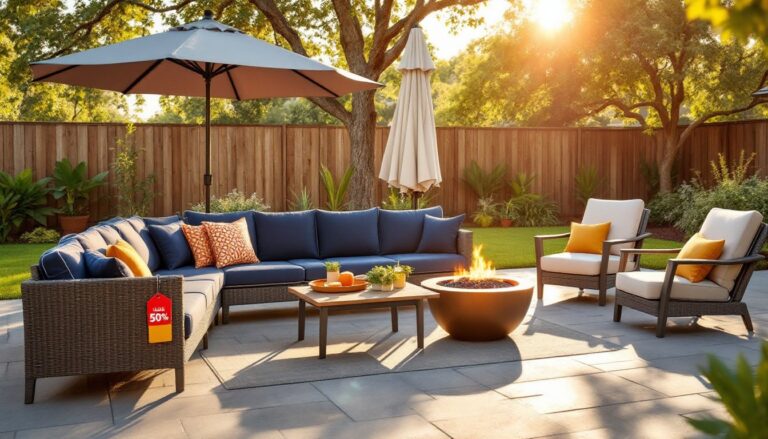
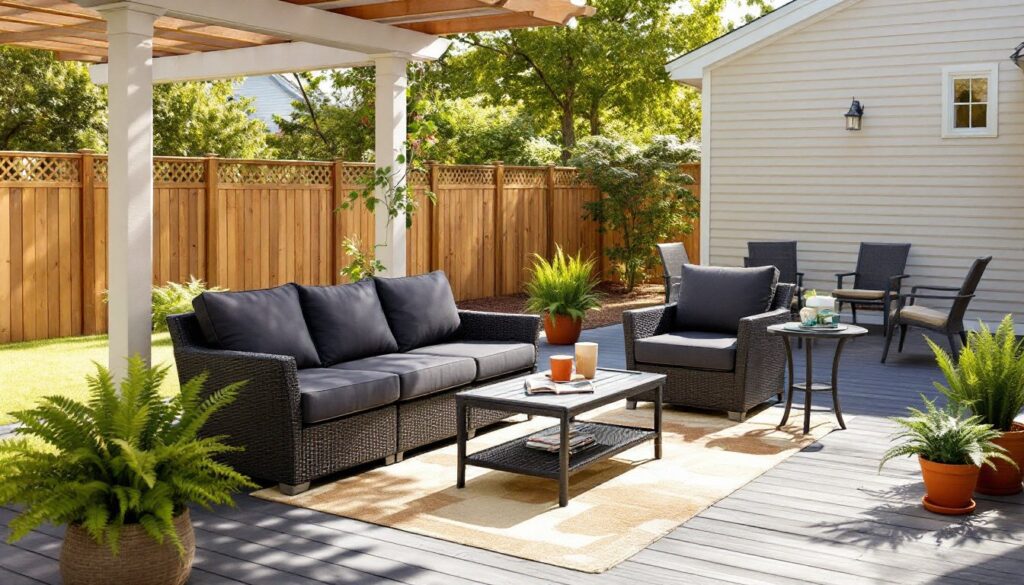
Conversation sets in this line typically include a loveseat or two club chairs, a coffee table, and sometimes an ottoman. The Carter Hills collection (resin wicker over steel frames) and the Brookbury collection (sling fabric on powder-coated aluminum) dominate here. Both use 4-inch thick polyester-fill cushions with water-resistant covers, not waterproof. Expect to store cushions during heavy rain or invest in a deck box.
Frame widths run standard: loveseats measure roughly 52 inches wide, chairs about 28 inches. Seat heights sit around 16 to 18 inches, which works for most adults but can feel low if you have mobility concerns. Armrests are often wide enough (4 to 5 inches) to set a drink down, though adding side tables improves usability.
One quirk: resin wicker sets look uniform in photos but can show color variation between shipments. It’s minor, think slight tonal shifts in gray or brown, but if you’re adding pieces later, buy from the same production batch when possible. Retailers sometimes offer options for Home Goods Patio with similar aesthetics if you’re comparison shopping.
Dining Sets and Outdoor Tables
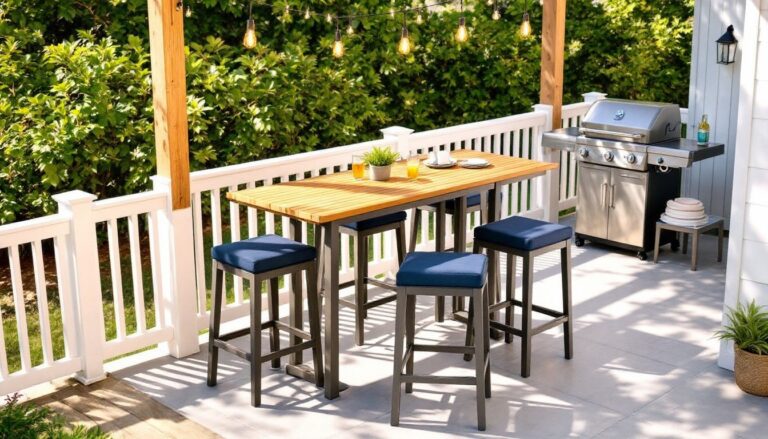
Dining sets range from compact 3-piece bistro setups (table plus two chairs, ideal for balconies under 60 square feet) to 7-piece arrangements with six chairs and a rectangular table. Table dimensions typically span 38 to 72 inches long and 28 to 30 inches high, standard dining height.
Material combos here include acacia wood tabletops with metal bases, tempered glass tops with wicker-wrapped legs, and all-metal mesh designs. Acacia tables require annual sealing with exterior wood oil: skip it and you’ll see graying and surface checks by season two. Glass tops need ¼-inch tempered safety glass minimum, check specs, as some budget lines cut corners here.
Chairs in dining sets often lack cushions to keep prices down. If you’re planning multi-hour dinner parties, budget an extra $60 to $100 for aftermarket seat cushions. Folding chairs in the line use spring-loaded hinges: they’re fine for occasional use but won’t survive as daily seating. For regularly used setups, stackable molded resin chairs outlast folders and store easier.
Materials and Durability: What to Expect
Most frames use powder-coated steel or aluminum with rustproof claims. In practice, “rustproof” means rust-resistant. Coastal climates with salt air will see oxidation within 18 to 24 months, especially at weld points and under bolt heads. Inland and dry climates get 3 to 5 years before serious degradation. Apply a coat of clear automotive wax twice a season to extend frame life, it’s a 20-minute job that doubles durability.
Resin wicker (woven polyethylene strands) holds up better than natural wicker but still fatigues. UV exposure causes brittleness: strands crack and pull loose after two to three seasons of full-sun exposure. Darker colors (charcoal, espresso) fade less noticeably than lighter tans. If strands start separating, a dab of clear marine adhesive (like 3M 5200) can buy another season, but plan for replacement around year four.
Acacia wood pieces require maintenance. Acacia is dense and naturally rot-resistant, but it’s not teak. Left untreated, it weathers to gray (some like the look: others don’t). To maintain honey-brown tones, apply tung oil or exterior wood sealer annually before the rainy season. Sand lightly with 220-grit paper if the surface feels fuzzy. Storage indoors or under a fitted cover during winter adds years to the lifespan.
Cushion covers claim “weather-resistant polyester.” That means they dry faster than cotton but aren’t marine-grade. Mildew appears if cushions stay damp for days. Pull cushions indoors during extended wet spells, or store them in a ventilated deck box with a moisture-absorbing product. Washing covers in cold water with mild detergent (no bleach) keeps them looking decent: high heat in the dryer shrinks zippers, so line-dry when possible. Ideas for maintaining outdoor spaces often appear on sites like Gardenista, which cover seasonal care in depth.
Price Range and Value Comparison
As of mid-2026, Better Homes and Gardens patio furniture at Walmart runs roughly $150 to $800 per set, depending on piece count and materials. A 4-piece conversation set (two chairs, loveseat, coffee table) typically lands between $400 and $600. Dining sets with six chairs and a table range $500 to $800. Individual pieces, side tables, ottomans, chaise lounges, start around $80 to $200.
Compared to big-box competitors, Walmart undercuts Home Depot and Lowe’s house brands by 10 to 20% on similar configurations. Specialty retailers like Crate & Barrel or West Elm charge two to four times more for comparable materials, though fit-and-finish and warranty terms often justify the premium for high-traffic commercial or rental properties.
Value proposition hinges on realistic expectations. You’re buying 3- to 5-year furniture, not heirloom pieces. For homeowners who refresh outdoor spaces every few seasons or who rent and can’t justify high-end investment, the math works. If you’re settling into a forever home and entertain weekly, spending more upfront on commercial-grade frames and Sunbrella-grade fabrics (which Better Homes and Gardens sets don’t include) pays off long-term.
Sales cycles matter. Walmart discounts patio furniture heavily in late July through September (end-of-season clearance) and again in late winter (making room for spring inventory). Buying off-season can drop prices 20 to 40%, worth the wait if you’re not in a rush. Clearance deals at retailers offering At Home Patio Furniture Clearance can provide similar savings on other brands.
Assembly, Maintenance, and Care Tips
Assembly ranges from simple to tedious. Most sets require 1 to 3 hours for a two-person team. Instructions rely on diagrams with minimal text, fine if you’re used to IKEA-style builds, frustrating if you prefer step-by-step written directions. Hardware comes bagged and labeled, though some shipments arrive with mixed or missing bolts. Check contents before starting: Walmart customer service ships replacement hardware, but it delays the project by days.
Common assembly needs:
- Phillips screwdriver or drill with Phillips bit (most fasteners are machine screws, not self-tapping)
- Adjustable wrench or socket set (typically 10mm to 13mm hex bolts)
- Rubber mallet for aligning frame joints (don’t use a steel hammer, you’ll chip powder coating)
- Level to check table and chair stability on uneven decking
Tighten all fasteners snug, not gorilla-tight. Overtightening cracks resin wicker or strips threads in aluminum. After the first month of use, retighten bolts, frame settling and temperature swings loosen connections.
Maintenance schedule for longevity:
- Monthly: Hose down frames and wipe resin wicker with mild soap and water. Remove debris from under cushions.
- Quarterly: Inspect bolts and screws: retighten as needed. Check for rust spots: sand lightly with fine steel wool and touch up with spray paint rated for metal outdoor use.
- Annually: Apply wood sealer to acacia pieces. Wash and treat cushion covers. Apply protective wax to metal frames.
- Off-season: Store cushions indoors. Cover frames with breathable patio covers (not plastic tarps, which trap moisture). If storing furniture in a shed or garage, elevate pieces off concrete floors using 2×4 lumber scraps to prevent moisture wicking.
Safety notes: Always wear safety glasses when drilling or using power tools near metal frames, shavings fly. If using a pressure washer for cleaning (low pressure only, under 1500 PSI), keep the nozzle at least 12 inches away to avoid shredding wicker or stripping paint. When moving assembled pieces, lift by the frame, not by armrests or backrests, which can separate under load.
Cushion mildew appears as black or green spots. Treat with a mix of 1 part white vinegar to 4 parts water in a spray bottle: let sit for 15 minutes, scrub with a soft brush, and rinse. For persistent stains, use an oxygen bleach solution (like OxiClean), not chlorine bleach, which degrades polyester fibers. Outdoor living tips and seasonal maintenance ideas are frequently covered on platforms like Southern Living, which focus on porch and patio care.
Pieces that wobble on uneven decking can be shimmed with plastic furniture pads or rubber shims, don’t ignore wobbles, as they stress joints and accelerate frame failure. For decks with significant slope, consider adding adjustable furniture levelers under legs (hardware stores sell screw-in types for about $2 each).