


Table of Contents
ToggleFurnishing an apartment isn’t the same as outfitting a house. Rental restrictions, square footage limits, awkward floor plans, and move-out dates all factor into every purchase. The right furniture can transform a cramped one-bedroom into a functional, livable space. The wrong choices leave you with an obstacle course of ill-fitting pieces you can’t return. This guide covers what matters: essential furniture, space-saving strategies, accurate measurements, style considerations, and budget-smart shopping tactics that work in real apartments with real constraints.
Key Takeaways
- Apartment furniture must prioritize scale, mobility, and adaptability since renters move every 2–3 years and face constraints like narrow hallways, weight limits, and lease restrictions.
- Focus on essential pieces first—a bed frame, sofa or loveseat, dining table, dresser, shelving unit, and coffee table—ensuring each fits your specific room dimensions before purchasing.
- Space-saving solutions like Murphy beds, storage ottomans, modular furniture, and vertical shelving can transform compact apartments without requiring permanent renovations.
- Measure your room, doorways, and hallways twice before buying apartment furniture, then create a floor plan to visualize layout and identify traffic flow issues.
- Invest in well-made neutral pieces with clean lines (mid-century modern, Scandinavian, or minimalist styles) that hold their resale value and adapt to future moves.
- Balance quality with budget by prioritizing daily-use items like mattresses and sofas, shopping secondhand for solid wood pieces, and comparing cost-per-use over time rather than upfront price.
Why Choosing the Right Furniture for Your Apartment Matters
Scale and proportion matter more in apartments than in houses. A standard three-cushion sofa might span 84 to 96 inches, which can overwhelm a living room that’s only 12×14 feet. Similarly, a king-size bed (76×80 inches) in a 10×12 bedroom leaves minimal clearance for dressers or nightstands.
Mobility is another factor. Renters move, on average, every two to three years. Modular furniture that breaks down into manageable pieces survives stairwells and tight doorways better than one-piece sectionals or oversized armoires.
Apartments also come with physical limitations. Load-bearing restrictions on upper floors, narrow hallways, elevator weight limits, and lease clauses about wall-mounting all influence what you can bring in and how you arrange it. Choosing furniture that adapts to these constraints saves time, money, and security deposits.
Finally, resale value and flexibility matter. Well-made, neutral-toned pieces hold their value on secondhand markets. Trendy or overly customized furniture loses appeal quickly and becomes dead weight during a move.
Essential Furniture Pieces Every Apartment Needs
Start with sleeping, sitting, eating, and storage. Everything else is optional.
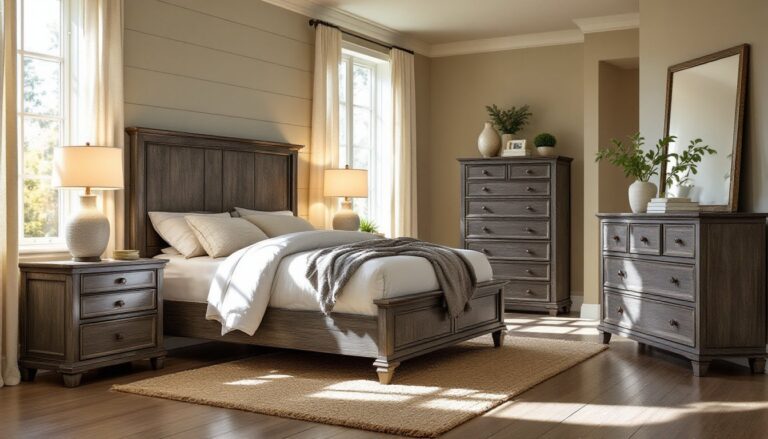
Bed frame and mattress: Twin XL (39×80 inches) works for studio apartments: full (54×75 inches) fits most single-occupant bedrooms: queen (60×80 inches) suits couples without cramping the room. Skip California king unless the bedroom exceeds 14×16 feet.
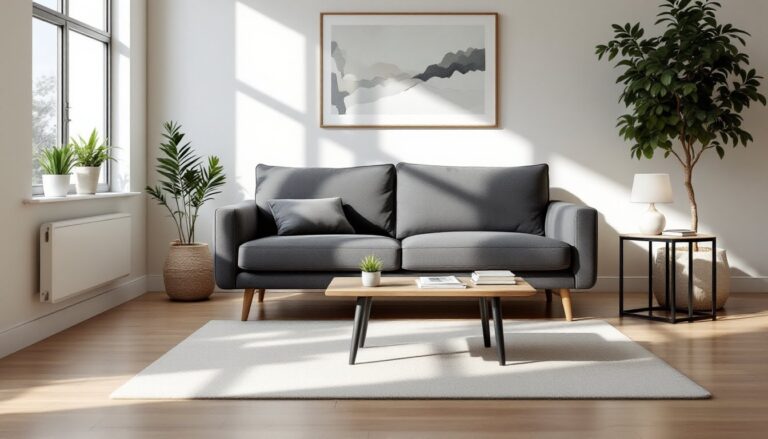
Sofa or loveseat: A two-seater loveseat (58 to 64 inches) fits tighter layouts. Look for exposed legs, furniture on legs creates visual space beneath and makes vacuuming easier.
Dining table: Drop-leaf or extendable tables adjust to daily use versus hosting. A 36-inch round table seats two comfortably and four when needed. Rectangular tables work better against walls.
Dresser or wardrobe: Many apartments lack adequate closet space. A six-drawer dresser handles folded clothing: a freestanding wardrobe adds hanging space without permanent installation. Measure closet depth before assuming built-ins will suffice.
Shelving unit: Open shelving provides storage without the visual weight of closed cabinets. Five-shelf units (typically 72 inches tall) hold books, decor, and bins. Anchor tall furniture to walls using earthquake straps or L-brackets, especially in seismic zones or if children are present.
Coffee table or side table: A coffee table shouldn’t exceed two-thirds the length of the sofa. Side tables should align with the sofa arm height (24 to 26 inches standard). Nesting tables offer flexibility without permanent footprint.
Space-Saving Furniture Solutions for Compact Living
Apartments reward vertical thinking. Wall-mounted desks, fold-down tables, and loft beds reclaim floor space without sacrificing function.
Murphy beds (wall beds) free up daytime square footage in studios. Modern mechanisms use gas pistons instead of springs, making operation manageable for one person. Expect to pay $1,200 to $3,000 depending on size and cabinetry. Installation requires locating wall studs (16 or 24 inches on center) and securing the frame with lag bolts.
Storage ottomans double as seating and hide blankets, shoes, or seasonal items. Choose models with removable tops rather than hinged lids for easier access.
Slim-profile furniture matters in tight spaces. A sofa with a 32-inch depth instead of the standard 36 to 40 inches can make the difference between clearance and a pinch point. Console tables at 12 to 14 inches deep work as desks or dining surfaces against walls.
Stackable chairs store when not needed. Metal or molded plastic versions withstand repeated stacking better than wood. Look for non-marring feet to protect floors.
Many space-saving furniture hacks extend the life and function of budget-friendly pieces, especially for renters who can’t make permanent modifications.
Multi-Functional Furniture Ideas
The best multi-functional pieces don’t sacrifice primary use for versatility. A sofa bed that’s uncomfortable as both seating and sleeping isn’t worth the savings.
Sofa beds and futons: Test the mattress thickness (at least 5 inches of foam or coil support for regular use). Mechanisms vary, click-clack frames deploy faster but offer less support than pull-out frames with dedicated mattresses.
Extendable dining tables: Butterfly-leaf tables store the extension within the frame. Drop-leaf designs fold flat against walls. Both styles require clearance, measure the fully extended footprint, not just the collapsed size.
Desk-to-dining conversions: Height-adjustable tables transition from desk height (28 to 30 inches) to dining height (30 to 32 inches). Some models include storage compartments beneath the top.
Bench seating with storage: Entryway benches with cubbies or lift-tops organize shoes and bags. Standard bench height is 18 inches: add cushions for comfort without exceeding 20 inches total, which becomes awkward for sitting.
Bookcase room dividers: Open-back units define spaces without blocking light. Anchor freestanding bookcases to prevent tipping, especially in narrow configurations. Experts who focus on modern small-space design often highlight the importance of furniture that serves multiple roles without cluttering sightlines.
How to Measure Your Space Before Buying Furniture
Measure twice, buy once. Skipping this step leads to returns, disposal fees, or furniture that never leaves the hallway.
Room dimensions: Use a 25-foot tape measure to record length, width, and ceiling height. Note the location of windows, doors, radiators, outlets, and vents. Doorways and hallways matter as much as the room, measure door width (not just the frame), hallway width at the narrowest point, and stairwell turns.
Furniture dimensions: Manufacturers list overall dimensions, but verify depth, height, and diagonal measurements (corner to corner). A sofa might fit through a door face-on but not at an angle. Measure the furniture’s widest point, including arms and legs.
Clearance and traffic flow: Maintain 24 to 36 inches of walking space around furniture. Coffee tables should sit 14 to 18 inches from the sofa. Leave 36 inches between the dining table edge and the wall to pull out chairs comfortably.
Ceiling height and vertical space: Standard apartments range from 8 to 9 feet. Tall furniture (bookcases, wardrobes) shouldn’t exceed 75 to 80 inches to allow for crown molding and visual breathing room. If considering a loft bed, verify that both the bed height and the space beneath are usable, 48 inches of clearance below supports a desk or seating.
Create a floor plan: Graph paper (¼-inch scale) or free apps like RoomSketcher or MagicPlan help visualize layout. Cut out scaled furniture shapes and test arrangements before committing. This step reveals issues like blocked pathways or obstructed outlets.
Furniture Styles That Work Best in Apartments
Style is subjective, but certain design principles work better in limited square footage.
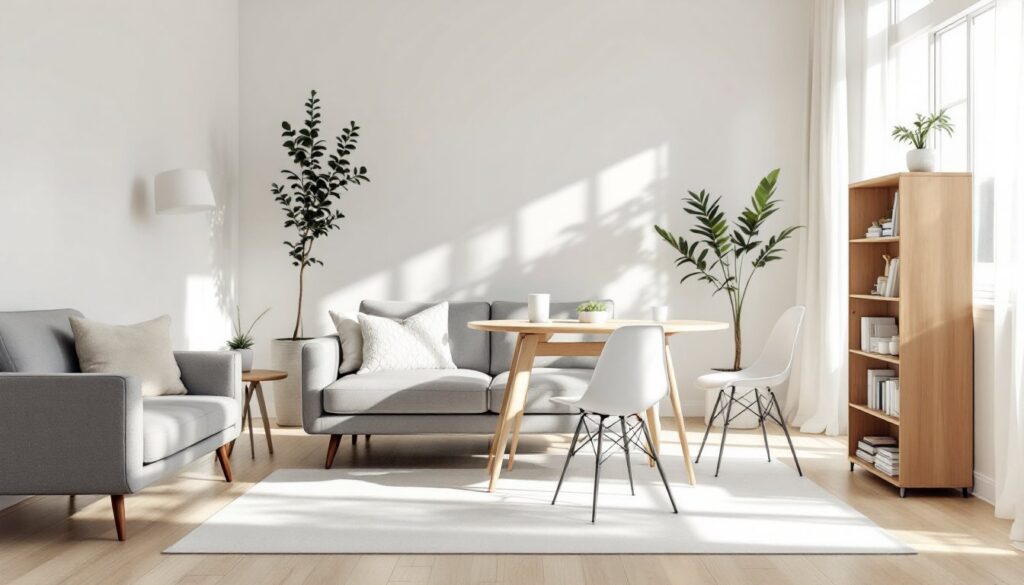
Mid-century modern: Clean lines, tapered legs, and minimal ornamentation keep visual weight low. Pieces like Eames-style chairs and low-profile credenzas don’t dominate small rooms. Popularity means good availability in both new and secondhand markets.
Scandinavian (Nordic): Light woods (birch, ash, pine), neutral palettes, and functional design. Scandinavian furniture emphasizes storage and multi-use without bulk. IKEA’s PAX and KALLAX systems are budget-friendly examples.
Industrial: Metal frames, reclaimed wood, and exposed hardware. Industrial pieces often feature open construction, which reduces visual mass. But, metal furniture is heavy, consider weight if you’re on an upper floor or move frequently.
Minimalist/Japanese-inspired: Low-profile beds, floor cushions, and platform furniture reduce clutter. This style requires commitment, mixing minimalist and traditional pieces rarely works.
Avoid heavy traditional styles: Ornate Victorian, dark wood Chippendale, or oversized leather Chesterfields overwhelm small spaces. These styles work in homes with high ceilings and generous rooms but feel cramped in apartments. Trends in apartment-friendly decor increasingly favor adaptable styles over heavy, single-use statement pieces.
Color and finish: Light colors (white, beige, light gray) reflect light and expand perceived space. Dark furniture works if walls and floors are light, but an all-dark palette shrinks rooms visually. Matte finishes hide scratches better than high-gloss lacquer.
Budget-Friendly Apartment Furniture Shopping Tips
Quality furniture doesn’t require a luxury budget, but it does require research and patience.
Prioritize investment pieces: Spend more on items used daily, mattresses, sofas, dining chairs. A solid wood bed frame lasts decades: particleboard dressers sag within a few years. Look for dovetail joinery in drawers and kiln-dried hardwood frames in upholstered furniture.
Buy secondhand strategically: Thrift stores, estate sales, and online marketplaces offer quality furniture at fractions of retail. Inspect for structural integrity, wobbly legs, sagging seats, and cracked frames aren’t worth any discount. Avoid upholstered pieces from unknown sources due to potential bed bugs. Solid wood tables, metal shelving, and case goods (dressers, cabinets) are safer bets. Following guides on selecting quality home furniture pieces can help distinguish well-made items from junk.
Shop end-of-season sales: Furniture retailers clear inventory in January/February (post-holiday) and July/August (mid-year). Floor models offer deep discounts, minor scratches are easy to touch up with wood markers or furniture pens.
Compare cost per use: A $600 sofa used daily for five years costs $0.33 per day. A $150 sofa that breaks in two years costs $0.20 per day initially but creates disposal and replacement hassles. Factor in longevity and resale value.
Flat-pack and modular options: IKEA, Wayfair, and Target offer affordable flat-pack furniture. Quality varies, check weight ratings, material specs (solid wood vs. MDF vs. particleboard), and reviews mentioning assembly difficulty and long-term durability. Solid wood and plywood hold screws better than particleboard through multiple assemblies, which matters for renters who move often.
Negotiate and bundle: Local furniture stores often negotiate, especially on floor models or discontinued items. Buying multiple pieces (bedroom set, dining set) provides leverage for discounts. When choosing furniture that balances function with comfort, insights from resources like home furnishing guides emphasize the importance of evaluating both immediate needs and future flexibility.
DIY refinishing: Secondhand solid wood furniture accepts sanding, staining, and painting. A $50 dresser and $30 in supplies yields custom results. Use 120-grit sandpaper for stripping, 220-grit for smoothing, and water-based polyurethane for low-VOC protection. Refinishing takes time but dramatically improves aesthetics and value.