

Table of Contents
ToggleA 5 piece living room furniture set takes the guesswork out of decorating. Instead of hunting for a sofa that matches chairs that complement a coffee table, the whole package arrives pre-coordinated. It’s a practical solution for anyone furnishing a new home, updating a dated space, or simply tired of mismatched furniture that doesn’t quite work together. These sets deliver a cohesive look without the design headaches, and they’re available in styles ranging from sleek modern to cozy farmhouse.
Key Takeaways
- A 5 piece living room furniture set typically includes one sofa, two accent chairs, one coffee table, and one end table, providing a pre-coordinated solution that eliminates design guesswork.
- 5 piece sets save 15–30% compared to buying furniture individually while ensuring design cohesion through matched upholstery, wood tones, and consistent leg styles across all pieces.
- Measure your room before purchasing, accounting for 30–36 inches of walkway space, 14–18 inches between the sofa and coffee table, and doorway widths to ensure your furniture fits.
- Check frame construction for kiln-dried hardwood and corner-blocked joinery, and aim for upholstery durability of 15,000 double rubs minimum for family use or 30,000+ for high-traffic homes.
- Position your sofa 12 inches from the wall and arrange accent chairs in an L-shape or U-shape around the coffee table to create an intentional conversation area that maximizes your living room layout.
What’s Included in a 5 Piece Living Room Set?
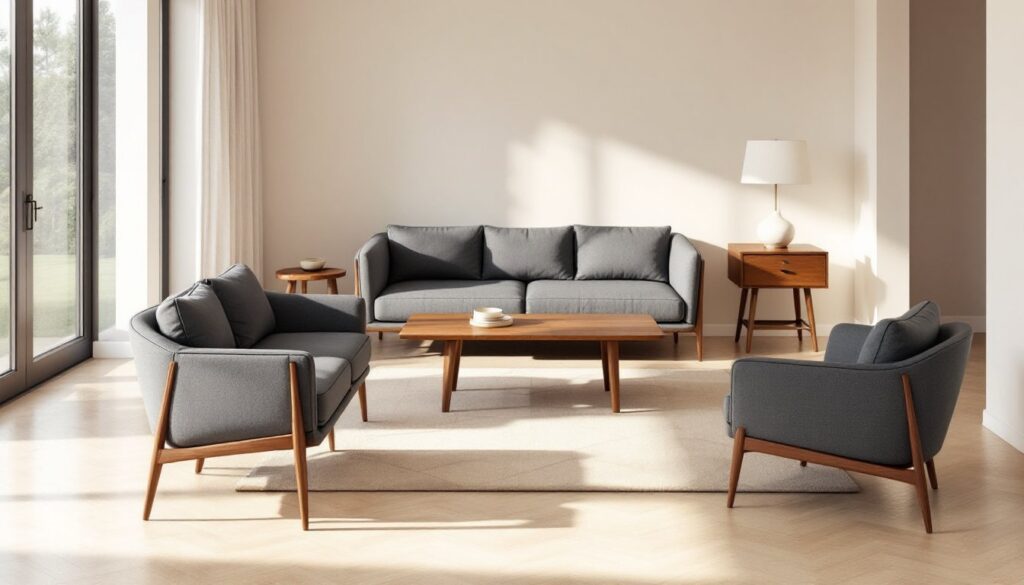
Most 5 piece living room sets follow a standard formula: one sofa, two accent chairs, one coffee table, and one end table. Some manufacturers swap pieces based on the collection, maybe two end tables instead of a coffee table, or a loveseat plus sofa instead of chairs.
The sofa typically measures between 78 to 90 inches wide, designed to seat three adults comfortably. Accent chairs run smaller, around 30 to 36 inches wide, and they’re usually armchairs rather than recliners. Coffee tables sit at standard 16 to 18 inches high to align with sofa seat height, while end tables match sofa arm height at roughly 24 to 26 inches.
Some sets include ottomans or benches as the fifth piece. These work well in smaller spaces where a full-size accent chair would crowd the room. Always check the product specs, “5 piece set” isn’t standardized across the industry, and dimensions vary widely between manufacturers.
Why Choose a 5 Piece Set Over Buying Individual Pieces?
Buying furniture piecemeal sounds flexible, but it often leads to a mishmash of styles, heights, and finishes that don’t gel. A pre-matched set solves several problems at once.
Cost savings are the most obvious benefit. Bundled sets typically run 15 to 30% cheaper than buying the same items individually. Retailers discount sets because they move inventory faster and reduce display floor space.
Design cohesion is the second win. Upholstery matches, wood tones align, and leg styles repeat across pieces. This matters more than most people realize, even slight variations in fabric texture or stain color can make a room feel disjointed.
Simplified logistics matter too. One delivery date, one assembly process (if required), and one warranty covering all pieces. Anyone who’s dealt with furniture from multiple vendors knows the headache of coordinating delivery windows and tracking separate orders.
The downside? Less flexibility. If someone wants a sectional instead of a traditional sofa, or needs a specific coffee table height for accessibility, a set might not fit. In those cases, piece-by-piece makes more sense.
Popular Styles and Materials for 5 Piece Living Room Sets
Modern and Contemporary Sets
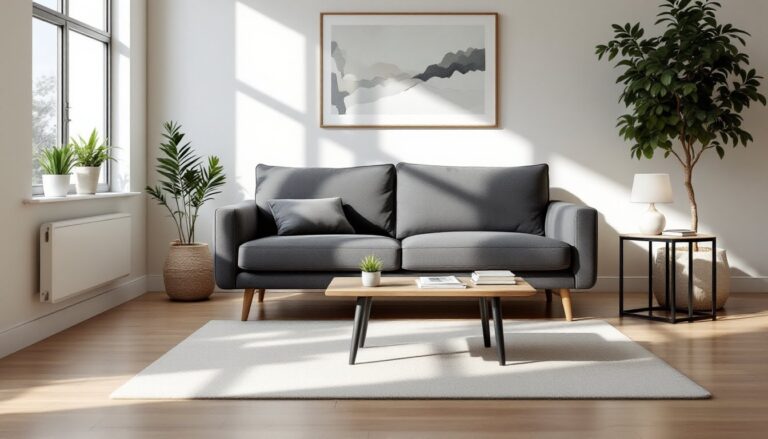
Modern sets lean on clean lines, low profiles, and neutral palettes. Think charcoal gray linen, black leather, or taupe microfiber paired with metal or glass table surfaces. Legs are often tapered wood (walnut or oak) or powder-coated steel.
Upholstery choices include performance fabrics like Crypton or Sunbrella, which resist stains and moisture, ideal for homes with kids or pets. Leather is another common pick, though it requires conditioning every 6 to 12 months to prevent cracking.
Frames in quality modern sets use kiln-dried hardwood (maple, birch, or oak) with corner-blocked joinery. Cheaper sets substitute engineered wood or softer pine, which won’t hold up as well under daily use. Check the frame warranty, anything less than five years is a red flag.
Coffee and end tables in contemporary furniture collections often feature tempered glass tops or high-gloss lacquer finishes. Glass requires regular cleaning (fingerprints show instantly), but it keeps sightlines open in smaller rooms.
Traditional and Rustic Options
Traditional sets bring rolled arms, button tufting, and carved wood details. Upholstery skews toward rich tones, burgundy, navy, forest green, often in velvet, chenille, or damask patterns.
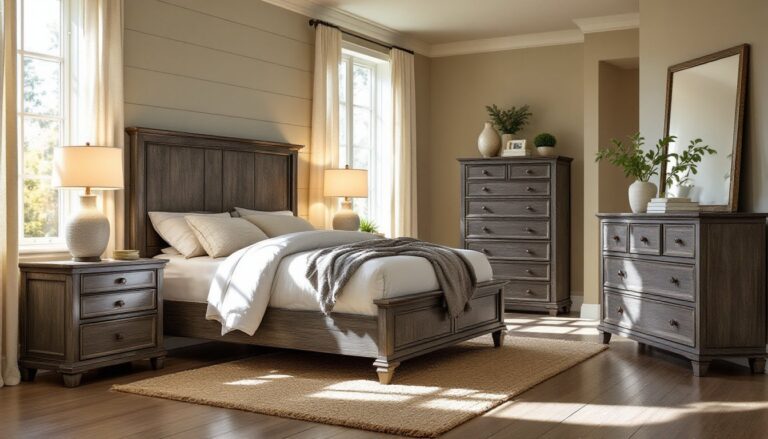
Rustic and farmhouse styles use distressed wood finishes (whitewash, weathered gray, reclaimed barn wood) paired with neutral linen or cotton slipcovers. Tables might feature planked tops, turned legs, or iron hardware for that lived-in look.
Be cautious with distressed finishes. Authentic distressing involves hand-scraping and wire-brushing solid wood. Cheap imitations use printed laminate that peels at the edges within a year. Run your hand over the surface, real distressing feels textured, not smooth.
Leather also shows up in traditional sets, typically in cognac, espresso, or oxblood. Top-grain leather (the second-highest quality after full-grain) offers a good balance of durability and cost. Bonded leather, leather scraps glued to a fabric backing, should be avoided. It flakes and peels within two to three years.
How to Choose the Right Set for Your Space
Measure the room before browsing catalogs. Sounds obvious, but most furniture returns happen because someone eyeballed the space and guessed wrong.
Minimum clearances for a functional living room:
- 30 to 36 inches of walkway space around all sides of furniture
- 14 to 18 inches between the coffee table and sofa (enough for legs, not so much you’re stretching to set down a drink)
- 24 to 30 inches between the sofa and TV stand or media console
For rooms under 200 square feet, look for apartment-scale sets. These feature narrower sofas (72 to 78 inches), armless chairs, and nesting tables that tuck away when not in use.
Doorways matter too. Measure door widths and hallway turns before ordering. A standard interior door is 32 inches wide: exterior doors run 36 inches. If the sofa won’t fit, you’ll need one with removable legs or a modular design that disassembles.
Upholstery durability gets measured in double rubs (Wyzenbeek test). For daily family use, aim for 15,000 double rubs minimum. Heavy-traffic homes with kids and pets should target 30,000 or higher. Manufacturers list this spec in product details, if they don’t, that’s a warning sign.
Frame construction separates budget sets from quality ones. Look for:
- Kiln-dried hardwood frames (moisture content under 12%)
- Corner blocks glued and screwed at joints
- Eight-way hand-tied springs (best) or sinuous springs (acceptable for lighter use)
Avoid sets with stapled joints or frames made entirely of particleboard. They might survive a year or two of light use, but they won’t handle daily wear.
Arranging Your 5 Piece Set for Maximum Impact
Start with the sofa. In most living rooms, it anchors the space and faces the main focal point, TV, fireplace, or picture window. Pull the sofa at least 12 inches away from the wall unless space is extremely tight. Floating furniture creates a more intentional, designed look.
Place accent chairs to form a conversation area. The classic L-shape arrangement puts chairs perpendicular to the sofa with the coffee table in the center. For a more intimate setup, angle chairs slightly inward to create a U-shape, which encourages face-to-face conversation.
End tables go beside the sofa or between chairs, within arm’s reach of seating. If the set includes only one end table, position it on the sofa end that gets the most use (typically the side nearest the room entrance).
Coffee table placement requires precision. Too close and people bang their shins: too far and it’s useless. The sweet spot is 14 to 18 inches from the sofa edge. If the table has sharp corners, make sure there’s enough clearance for safe passage, especially important for homes with young kids.
In narrow rooms, try a parallel arrangement: sofa on one long wall, both chairs on the opposite wall, coffee table centered between them. This works well in spaces under 12 feet wide where an L-shape would block traffic flow.
Rugs define the space. A living room rug should be large enough that all front legs of the furniture rest on it. For a typical 5 piece set, that means at least an 8 x 10 foot rug for mid-sized rooms. Undersized rugs make the whole setup look like it’s floating in space.
Lighting ties the room together. End tables should accommodate table lamps between 24 and 32 inches tall (measured to the top of the shade). If the set doesn’t include built-in outlets or USB ports, plan for extension cords or install floor outlets, a licensed electrician can add these for around $150 to $300 per outlet, depending on local rates and floor construction.