
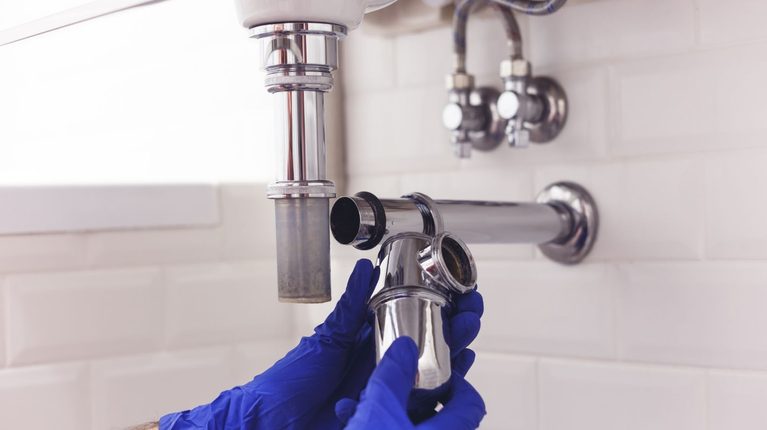





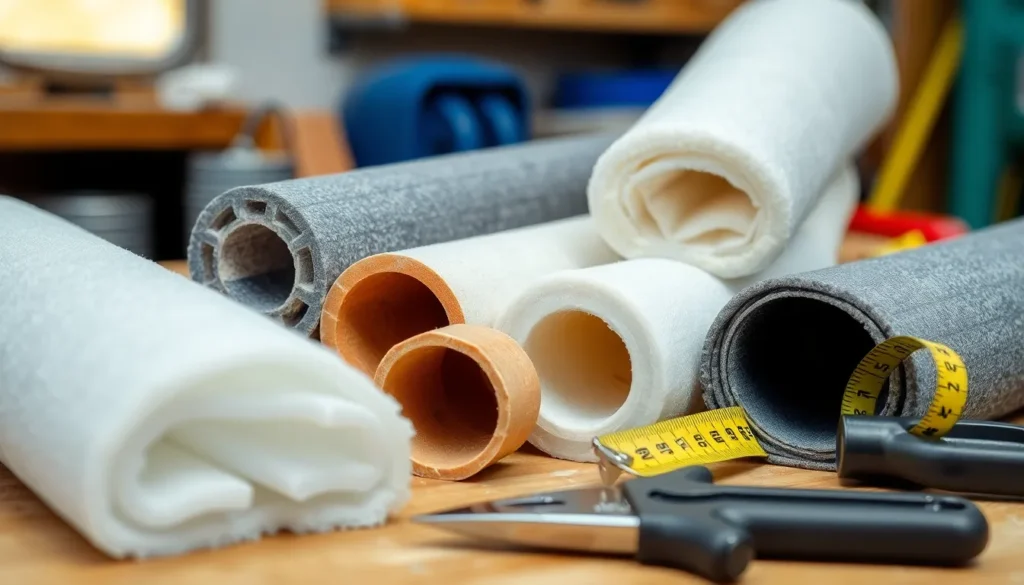
In a world where energy efficiency and cost savings are paramount, pipe insulation has emerged as a crucial component in both residential and commercial settings. It plays a vital role in maintaining the temperature of fluids within pipes, reducing energy loss and preventing condensation. By investing in proper insulation, homeowners and businesses can significantly lower their heating and cooling costs while enhancing overall comfort.
Beyond energy savings, pipe insulation also helps protect against freezing pipes and reduces noise from water flow. Understanding the various types of insulation materials available can empower individuals to make informed decisions that cater to their specific needs. With the right insulation in place, not only can one improve energy efficiency, but also extend the lifespan of their plumbing system.
Overview of Pipe Insulation
Pipe insulation plays a critical role in enhancing energy efficiency and minimizing costs in plumbing systems. It helps maintain fluid temperatures, reduces energy loss, and prevents issues like condensation and freezing. Different materials, including fiberglass, foam, and rubber, each provide unique benefits suited to specific applications.
Benefits of Pipe Insulation
- Energy efficiency: Proper insulation helps retain heat in hot water pipes while preventing heat loss in cold water pipes. This efficiency reduces energy consumption and lowers utility bills.
- Condensation prevention: Insulation prevents moisture buildup by minimizing temperature fluctuations. This prevention reduces the risk of mold and corrosion in piping systems.
- Freezing protection: Insulated pipes are less likely to freeze in cold temperatures. This protection is particularly crucial in colder climates, where uninsulated pipes risk bursting.
- Noise reduction: Insulation dampens sounds produced by water flow. This soundproofing contributes to a quieter environment in both residential and commercial spaces.
Types of Pipe Insulation Materials
- Fiberglass: This lightweight material offers excellent temperature retention and is often used in both residential and commercial applications.
- Foam: Foam insulation provides high R-values, making it effective for heat retention. It is easy to install and commonly used in residential settings.
- Rubber: Rubber insulation excels in temperature resistance and flexibility. It is ideal for outdoor applications where weather resistance is necessary.
- Mineral wool: This material withstands high temperatures, making it suitable for fire-protection applications around heat-producing pipes.
Understanding the distinct features and benefits of various insulation materials assists individuals in making informed choices for effective pipe insulation. Proper selection enhances energy efficiency and prolongs the lifespan of plumbing systems.
Types of Pipe Insulation
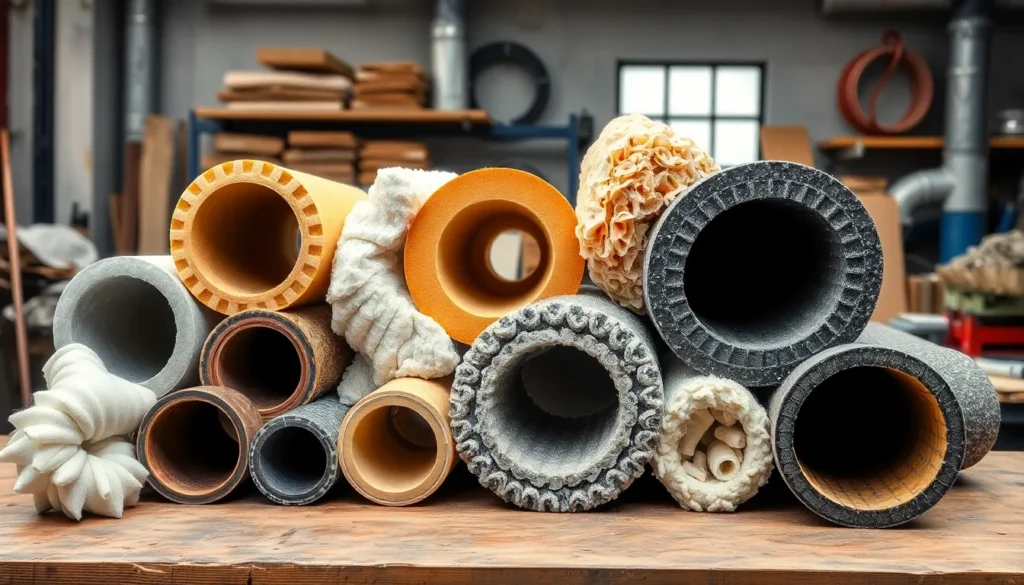
Understanding the various types of pipe insulation optimizes energy efficiency and performance in plumbing systems. Each insulation type has specific advantages tailored for different applications.
Fiberglass Insulation
Fiberglass insulation consists of fine glass fibers and excels in thermal performance. It offers a high R-value, making it effective for temperature retention. Ideal for hot and cold water pipes, it minimizes heat loss, thereby reducing energy costs. Fiberglass is lightweight, non-combustible, and resistant to moisture, which helps prevent mold growth.
Foam Insulation
Foam insulation includes materials like polyethylene or polyurethane, known for their superior energy efficiency. Foam insulation creates an airtight seal, significantly reducing heat transfer and energy loss. It’s particularly effective on both cold and hot pipes. This type of insulation also protects against condensation, preventing water damage in surrounding areas.
Rubber Insulation
Rubber insulation features flexible materials that easily conform to various pipe shapes and sizes. It effectively limits temperature fluctuations and dampens noise from water flow. With excellent resistance to moisture and heat, rubber insulation suits both indoor and outdoor applications. Additionally, it’s durable and long-lasting, making it a cost-effective solution.
Mineral Wool Insulation
Mineral wool insulation, or rock wool, is made from natural or recycled materials. This type of insulation provides excellent thermal and acoustic insulation. Mineral wool resists fire and moisture, making it suitable for high-temperature piping applications. Its sound-dampening properties also help reduce water flow noise in plumbing systems.
Benefits of Pipe Insulation
Pipe insulation offers several advantages, including improved energy efficiency, noise reduction, and freeze protection. Understanding these benefits helps individuals make informed decisions when choosing insulation materials.
Energy Efficiency
Energy efficiency significantly improves with pipe insulation. Insulation minimizes heat loss or gain in plumbing systems. For hot water pipes, insulation maintains optimal temperatures, reducing the need for heating, which leads to energy savings. For cold water pipes, insulation prevents unwanted heating in summer months. Studies show that properly insulated pipes can lower energy costs by 10% to 20% annually, resulting in substantial savings over time.
Noise Reduction
Noise reduction plays a crucial role in enhancing comfort in both residential and commercial spaces. Uninsulated pipes often generate noise from water flow, creating disturbances in households or workplaces. Insulation absorbs sound vibrations, minimizing these noises. Properly insulated pipes significantly reduce sound transmission, creating a quieter environment. In multi-story buildings, less sound transfer between units improves overall living conditions.
Freeze Protection
Freeze protection is essential, especially in colder climates. Insulated pipes prevent freezing by maintaining the temperature of the liquid inside. When temperatures drop, uninsulated pipes risk bursting, causing significant damage and costly repairs. Insulation provides a thermal barrier against extreme conditions. Installing pipe insulation can prevent freezing issues, ensuring consistent water flow during winter months. This protection extends the lifespan of plumbing systems, reducing maintenance frequency and costs.
Installation Process
Pipe insulation installation enhances energy efficiency and protects plumbing systems effectively. Proper materials and techniques ensure optimal performance.
Materials Needed
- Pipe Insulation Material: Choose between fiberglass, foam, rubber, or mineral wool based on specific needs.
- Measuring Tape: Measure pipe diameter and length accurately.
- Utility Knife: Cut insulation to the required lengths with precision.
- Adhesive: Use appropriate adhesive for securing insulation ends, especially for foam or rubber types.
- Duct Tape: Seal seams and joints for added protection against moisture and air leaks.
- Safety Gear: Include gloves and goggles for protection during installation.
Step-by-Step Guide
- Measure Pipes: Measure the length and diameter of each pipe section requiring insulation.
- Cut Insulation: Cut the insulation material to fit the measured lengths, ensuring clean, straight cuts.
- Prepare Surface: Clean the pipe surface to ensure proper adhesion and insulation contact.
- Apply Insulation: Wrap the insulation around the pipes, aligning seams for maximum coverage. Use adhesives or tape to secure as necessary.
- Seal Joints: Use duct tape to seal all joints and seams, preventing air leaks and moisture infiltration.
- Inspect Installation: Check for any gaps or uninsulated sections and correct as needed.
- Finalize Installation: Ensure all insulation is secured and inspect for proper placement before completing the project.
Following these steps ensures effective insulation, maximizing energy efficiency and protecting plumbing systems from potential damage.
Maintenance and Longevity
Maintaining pipe insulation ensures its effectiveness and extends its lifespan. Regular inspections identify wear and damage, allowing for timely repairs or replacements. Inspect for signs of moisture accumulation, cracking, or inconsistent temperature regulation around the pipes.
Cleaning pipe insulation regularly helps maintain its thermal properties. Dust, dirt, or mold can accumulate on the surface, reducing efficiency. Use mild soap and water to clean non-porous insulation materials like foam or rubber. Ensure the insulation is completely dry before reapplying it to prevent mold growth.
Proper sealing around joints and seams enhances longevity. Gaps can lead to significant energy loss, compromising insulation effectiveness. Utilize high-quality adhesive or duct tape to secure seams, creating an airtight barrier against heat transfer.
Avoid exposure to extreme temperatures or harsh chemicals. Insulation materials may degrade when subjected to unnecessary heat or corrosive substances. Store insulation in temperature-controlled environments and ensure pipes are not subjected to conditions that could compromise integrity.
Follow manufacturer guidelines for maintenance. Each insulation type may have specific requirements that, when adhered to, promote longevity and performance. Refer to product specifications for detailed care instructions.
By regularly inspecting, cleaning, sealing, and following manufacturer recommendations, individuals can significantly enhance the longevity and overall effectiveness of pipe insulation.
Pipe insulation plays a vital role in maintaining energy efficiency and protecting plumbing systems. By choosing the right insulation material and following proper installation techniques, individuals can significantly reduce energy costs and enhance comfort in their homes or businesses. Regular maintenance and inspections ensure that insulation remains effective over time, preventing costly repairs and extending the lifespan of plumbing systems. Investing in quality pipe insulation is not just a smart choice for immediate savings; it’s a long-term strategy for sustainable energy use and system reliability.